Charlotte moves. From Uptown’s morning rush to sunset traffic along Providence Road, the city is always in motion, and your car’s glass is your constant co-pilot. It shapes what you see, shields you from road debris, and, when an accident happens, it becomes part of your safety gear. When the glass is chipped, cracked, or blown out entirely, you can feel the change immediately. Clarity falls. Confidence wobbles. And safety takes a hit.
This is a guide written from thousands of miles on Carolina roads and more hours than I can count spent looking through windshields, not at them. If you’re weighing car window replacement Charlotte NC, or trying to choose between windshield repair and replacement, you’ll find clear direction here. We’ll talk real numbers, trade-offs, mobile options, edge cases, and the one theme that matters most: safety first.
What your auto glass actually does
Most drivers think of a windshield as a transparent barrier, nothing more. It is, in fact, a structural component. Laminated windshield glass contains two layers of glass bonded to a plastic interlayer. That sandwich prevents shattering, stays intact during a crash, and helps airbags deploy correctly. On many vehicles, the windshield contributes 20 to 30 percent of the cabin’s structural rigidity. Lose that integrity, and the roof is more likely to crush in a rollover.
Side and rear windows play a different role. Most are tempered, designed to shatter into small beads for fast egress after a crash. The rear windshield on many newer models integrates defroster lines and antenna elements. Some side glass panels include acoustic laminates to quiet the cabin, privacy tints, and even hydrophobic coatings. When you consider side window replacement Charlotte or rear windshield replacement Charlotte NC, matching the right spec is more than a cosmetic decision. It affects safety, HVAC efficiency, and the driving experience.
Charlotte-specific hazards that break glass
The Queen City’s roads are a mix: fresh asphalt, construction corridors, and the occasional gravel truck taking I‑485 like it’s a test track. I’ve seen rock chips happen on perfect days with no traffic, and I’ve watched entire windshields spider in minutes during a summer temperature swing.
Charlotte vehicle glass repair Charlotte NC 28244 drivers should watch for:
- Highway debris along I‑77 and I‑85, especially near ongoing construction where gravel spills are common.
A short list is useful here to keep these hot spots top of mind:
That “tiny star” on your windshield? On a warm afternoon, it can creep two inches in less than an hour once you hit a pothole on Providence or Albemarle Road. Which brings us to the first decision point.
Repair or replace: where safety draws the line
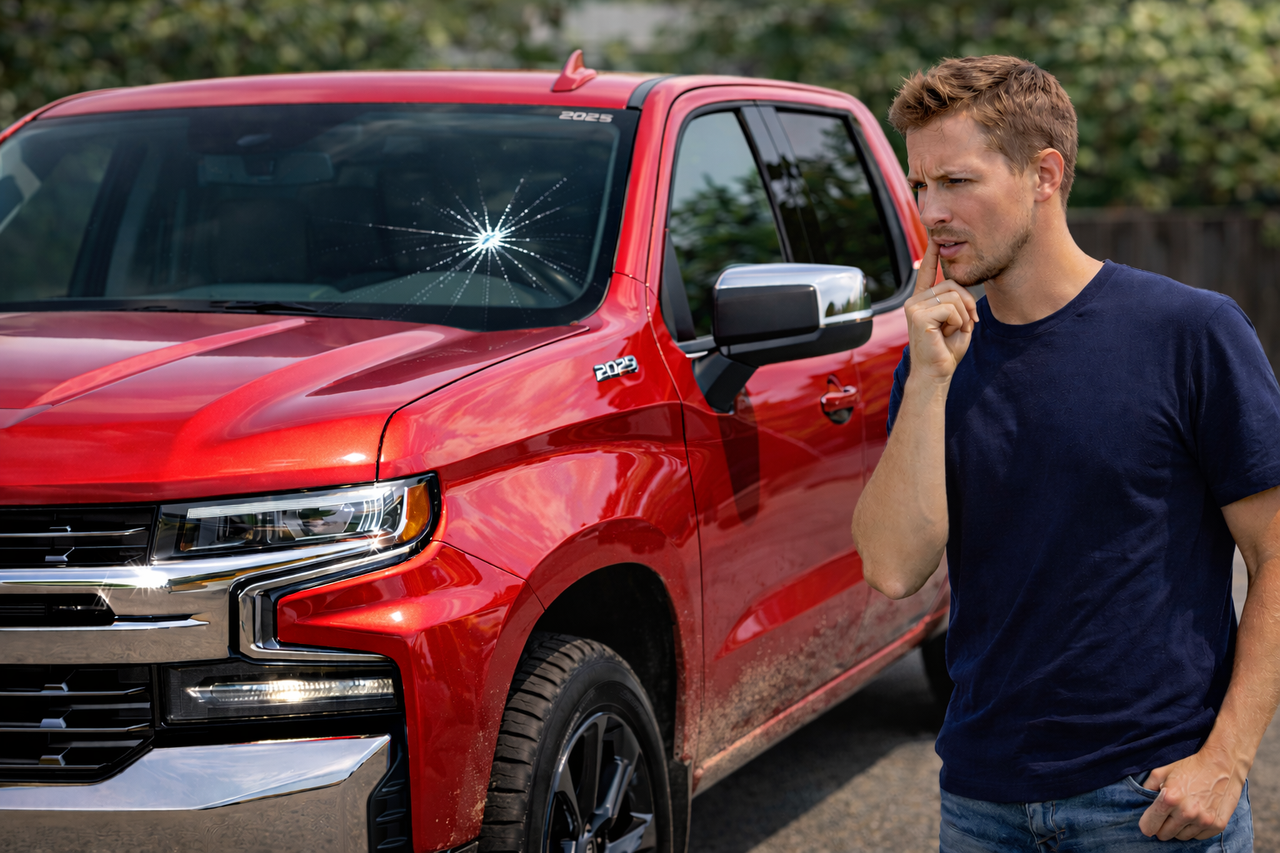
Everyone wants to save glass when it’s safe to do so. Windshield repair near me searches often bring up resin injection for chips and short cracks. When done properly, repair stops crack propagation, restores much of the optical clarity, and preserves the factory seal. But not every break qualifies.
The practical thresholds most technicians use in Charlotte are shaped by both industry standards and hard-earned local experience:
-
Location: Anything directly in the driver’s primary line of sight is risky to repair. Even a well-executed resin fill can create slight distortion under sunlight. Expect most shops to recommend windshield replacement Charlotte NC if the impact is dead ahead at steering wheel height.
-
Size and type: Bullseyes and small star breaks under a quarter can typically be repaired. Long single-line cracks beyond 6 to 8 inches often need replacement. Edge cracks, which compromise the bond between glass and frame, are almost always replacement territory.
-
Contamination and moisture: A chip that’s been open to rain for days can trap moisture and grime in the laminate. Warming the area helps, but if you see a white haze around the break, repair may not hold.
For side glass, repair is rarely an option. Tempered glass is designed to shatter into pieces, not chip. If a side window is cracked, expect a full side window replacement Charlotte using an OEM or OEM‑equivalent tempered panel. The rear windshield is similar to the front in size but closer to side glass in function. If it breaks, it usually breaks completely, scattering pellets into the trunk and rear seats. Rear windshield replacement Charlotte NC involves matching defroster and antenna elements and reestablishing a clean seal to prevent leaks.
Why speed matters more than convenience
Time attacks damaged glass from several angles. Heat expands cracks. Vibration from everyday driving widens them. Moisture works its way into the laminate and fogs the impact site. In Charlotte’s humidity, a two-day delay can turn a small, fully repairable chip into a creeping crack that demands replacement.
This is where mobile auto glass repair Charlotte can be a safety win, not just a convenience. If the damage is fresh and within repair limits, having a technician meet you in a parking deck in Uptown or your driveway in Ballantyne shortens the window of risk. Many shops offer mobile windshield replacement Charlotte as well, though replacement requires more controlled conditions. A shady, wind-protected spot is usually enough. For ADAS calibration, the vehicle may still need a shop visit afterward, more on that soon.
If you see the phrase same day auto glass repair Charlotte NC, verify it means same-day service, not just same-day scheduling. For rock chips and shattered side glass, same-day is often feasible. For windshields with sensors and cameras, timeline depends on glass availability and calibration requirements.
The ADAS factor: cameras, sensors, and calibration
If your car has automatic emergency braking, adaptive cruise, lane centering, or even modest lane departure alerts, your windshield is part of the sensor platform. Cameras sit behind the glass and look through a precise optical pathway. Replacing the windshield changes that pathway, sometimes by fractions of a degree. That small change matters. At 60 mph, a one-degree misalignment can shift the system’s “view” several feet off target.
That is why a proper windshield replacement Charlotte NC on ADAS-equipped vehicles should include a calibration, either static on a target rig or dynamic on a prescribed drive cycle with a scan tool. Here’s what to expect:
-
Scan before, scan after. A good shop scans for pre-existing fault codes, then verifies after installation that the systems pass calibration.
-
Static calibration requires space, targets, and lighting control. Some mobile teams carry portable targets and can perform static calibration on-site if space allows. Many vehicles still require in-shop calibration due to OEM requirements.
-
Dynamic calibration involves driving at specific speeds under defined lane conditions. Uptown congestion can make dynamic calibration tricky during rush hours. Good local shops know quiet loops where lane markings are crisp and traffic light.
If a provider promises mobile windshield replacement Charlotte for an ADAS car but skips calibration, that’s a red flag. The tech may be excellent, the glass seal flawless, and still your collision avoidance system could be off. Don’t compromise here.
What the best shops do differently
The best auto glass shop Charlotte NC isn’t always the one with the flashiest ad. It’s the team that obsesses over the small things that keep you safe and dry months later. I look for a few habits and standards that separate pros from the rest:
-
Glass sourcing transparency. OEM glass when specified by the manufacturer, or high-grade OEM‑equivalent with documented optical clarity and correct acoustic/tint layers. If a shop won’t name their glass suppliers, keep asking.
-
Primer discipline. Rust creeps where glass meets frame if primer steps are skipped. A careful technician cleans and primes the pinch weld, uses urethane with the right cure time, and respects the manufacturer’s safe drive-away time.
-
Weather awareness. Charlotte’s sudden showers can ruin an otherwise perfect install. Good teams carry pop-up canopies, measure humidity, and adjust adhesives accordingly.
-
Calibration capability. Either in-house or with a trusted partner. Shops that handle ADAS daily have dialed processes and won’t treat your calibration like an afterthought.
-
Documentation. You should leave with glass part numbers, urethane specifications, calibration printouts, and warranty terms in writing.
What replacement actually looks like, step by step
No two cars are identical, but most windshield jobs follow a similar rhythm. You’ll appreciate the craft more when you know what’s happening, and you’ll spot shortcuts that shouldn’t be taken. Here is a condensed walkthrough from arrival to drive-away:
-
Technician inspects damage, confirms VIN and glass specs, checks for sensors, heating elements, and rain-light modules.
-
Cowl panels and trim come off to expose the glass edges. Clips and fasteners break easily on older cars; a careful tech keeps spares on hand.
-
The old urethane bead is cut with a cold knife or fiber line. Avoiding paint damage is key, since bare metal leads to rust.
-
Pinch weld is cleaned and primed. Fresh urethane is laid in a continuous bead with consistent height. Gaps cause leaks.
-
New windshield is set using suction cups or positioning jigs. Modern windshields are heavy and precise. Rushing here is a mistake.
-
Reinstall trim, reconnect sensors, and attach mirrors and covers. Then the calibration phase begins if applicable.
-
Safe drive-away time is observed. In Charlotte’s summer heat, some urethanes reach minimum strength in as little as 30 minutes to 1 hour; in winter, it may take longer. A responsible tech will tell you exactly when it’s safe to drive and under what conditions.
Side glass and rear glass follow a different dance. Side windows require door panel removal, regulator alignment, and careful adjustment to avoid wind noise. A rear windshield installation must preserve defroster integrity and ensure the trunk seals stay watertight. After any rear glass job, watch for condensation or fogging inside the trunk after rain, a telltale sign of a leak that needs rework.
Repair quality: what a good chip repair should look like
Resin repair won’t make a chip vanish entirely, but the best work renders it faint, like a freckle under glass. You should not see vertical distortion lines from the driver’s seat. The surface should be smooth, wiper-safe, and free of sharp edges. If you can still catch your fingernail on the impact point, the pit resin wasn’t finished properly.
For the first day after repair, avoid slamming doors with the windows up. The pressure pulse can push a marginal crack wider. On 95-degree days, crack your windows a touch when parked to ease thermal stress on the glass.
Cost variables you can actually control
Insurers often cover auto glass repair Charlotte NC with minimal or no deductible for chip repairs. Replacement is a different animal. Here’s how costs swing:
-
Glass type. OEM glass on a late-model luxury SUV can easily run 800 to 1,500 dollars or more, especially with acoustic interlayers and HUD coatings. Quality aftermarket glass may cost 40 to 60 percent less and still meet your needs if your manufacturer doesn’t mandate OEM.
-
ADAS calibration. Add 150 to 400 dollars in many cases, more on complex systems. Some insurers cover calibration separately.
-
Mobile service. Many providers include mobile service in the base price. Others add a modest fee, typically 25 to 75 dollars, when distance or site constraints increase time.
-
Trim and hardware. One-time-use clips, rain sensor gel pads, mirror buttons, and moldings may add 25 to 150 dollars depending on the vehicle.
If you carry full glass coverage, filing a claim can make sense, but think about future premiums and deductibles. For out-of-pocket repairs, ask for a written quote with line items. A shop that prices by the component reveals what you’re actually paying for.
Temporary measures that won’t make things worse
Sometimes you’re miles from help. A truck tosses a pebble on Highway 160 and your windshield wears a fresh star. You still have to pick up a kid in SouthPark. In that kind of moment, do the smallest amount necessary and avoid creating a bigger problem.
-
Cover the chip with clear packing tape as soon as safely possible. Keep moisture and grime out until resin can do its job. Don’t use duct tape, it leaves a gummy residue that’s hard to clean before repair.
-
Keep the cabin cool. A windshield in direct sun can hit 150 degrees. Heat accelerates crack growth. Park in shade or use a sunshade.
-
Avoid automated car washes until repair or replacement. The rollers and pressure jets flex the glass.
-
Do not blast defrost on high if the outside air is cold. Gradual warmth reduces stress.
These are short-term tactics, not a cure. If the chip is near the edge or longer than a few inches, treat it like a cracked bone and get off the road sooner rather than later.
Mobile versus shop: how to decide
Mobile service in Charlotte is robust. For many jobs, mobile auto glass repair Charlotte brings the fix to you with no loss of quality. I recommend mobile when the weather cooperates, the damage is straightforward, and your location provides a stable work environment. Apartment lots, suburban driveways, and office garages all work if there’s space and reasonable wind protection.
Head to a physical shop when:
-
The vehicle requires static ADAS calibration with fixed targets.
-
Weather is hostile, high winds or heavy rain.
-
The pinch weld has visible rust that needs remediation beyond a quick prime.
-
You prefer a temperature-controlled install to maximize adhesive performance.
Pros know how to pivot. I’ve seen top techs move a job from a breezy South End lot to a nearby shop mid-morning because the wind kicked up. That flexibility keeps quality high.
How to vet providers without becoming a detective
A five-minute phone call tells you most of what you need to know. Ask three questions and listen for specifics, not buzzwords.
-
What glass brand or part number will you use on my VIN, and is it OEM or OEM‑equivalent? A precise answer builds trust.
-
How do you handle ADAS calibration on my make and model? You want to hear a clear process, either in-house capabilities or a named calibration partner, and mention of pre‑ and post‑scans.
-
What is the safe drive-away time given today’s weather, and what urethane are you using? Brands like Sika, Dow, and 3M with stated cure times signal discipline.
Online reviews help, but weigh detailed reviews over star averages. Look for patterns that mention leaks fixed promptly, clean work areas after a rear glass blowout, and technicians who rescheduled due to rain rather than pushing a risky install.
Special cases that deserve extra care
Classic cars: Many older vehicles use gasket-set windshields rather than urethane. These installs are a different craft. Find a shop with vintage experience. Expect more labor time, and bring new gaskets if yours are brittle.
Luxury marques with HUD: Head-up display windshields need the correct reflective layer. The wrong glass will blur or dim the projection. OEM or a HUD-specific aftermarket is essential.
Aftermarket tint and sensors: If your previous windshield had an aftermarket tint strip across the top, mention it. Some tint films confuse rain-light sensors or camera contrast. Your installer can adjust or recommend a compatible film after replacement.
Convertible and frameless doors: Side glass adjustment on frameless windows (common on coupes and convertibles) is meticulous work. A millimeter off leads to wind hiss or water intrusion. Test at highway speed soon after the install and report any noise promptly.
What to expect after the job
A good installation feels uneventful, but there are small telltales of quality. The wipers run smoothly with no chatter. The defroster clears evenly. The interior trim sits flush and doesn’t rattle over potholes near Plaza Midwood. After rear windshield replacement Charlotte NC, the defroster grid heats uniformly, not in random patches. If your ADAS was calibrated, lane keep nudges feel the same or better than before, and forward collision warnings don’t fire on harmless shadows.
Give the urethane a day before power washing or slamming doors with the windows closed. Avoid rough roads for the first few hours if possible. If you spot any water beads inside after a rain, call immediately. Leaks are most often a quick reseal fix when addressed early.
Why local knowledge matters
Charlotte’s growth means more construction zones, heavier traffic, and a higher chance of encountering loose aggregate. I’ve watched a single gravel truck pepper five windshields on the northbound stretch of I‑77 near the 277 split within ten minutes. Technicians here have responded with better mobile rigs, smarter scheduling around storms, and calibration routes that avoid stop-and-go headaches.
When you search auto glass repair Charlotte NC or car window replacement Charlotte NC, you’re not just hunting for a business. You’re looking for people who understand these local realities. They know which parking garages are workable for mobile jobs, which neighborhoods hide nails in the gutters after roofing booms, and which times of day give them the best chance at a clean calibration drive.
Putting safety first without losing your day
Replacing or repairing auto glass isn’t a life event, but it touches a fundamental part of how you stay safe on the road. The good news is that in this city, you have strong options. Whether you need same day auto glass repair Charlotte NC after a lawnmower tosses a stone, or a carefully calibrated windshield replacement Charlotte NC on a late-model SUV, you can get expert help without surrendering a week of your life.
Think of it this way. Your windshield is safety glass and a sensor window, a structural brace and a weather shield. Your side and rear glass are part of your escape plan if something goes wrong. Treat them with the same seriousness you give your brakes. Choose providers who demonstrate skill, patience, and the right tools. Use mobile services when they make sense. Embrace calibration as part of the job on modern cars. And don’t let small chips linger in Charlotte’s heat and humidity.
The reward is simple: clear sightlines along Queens Road West in the glow of a summer evening, a car that feels sealed and solid, and driver-assistance tech that quietly watches your blind spots while you enjoy the ride. When it comes to auto glass in Charlotte, safety first isn’t a slogan. It’s the difference between hoping everything holds and knowing it will.
Leave a Reply