Walk into any Charlotte service bay these days and you will see more cameras and sensors peering from windshields than inspection stickers. Advanced Driver Assistance Systems, or ADAS, now sit at the heart of daily driving. They read lane markings, monitor the car ahead, and sometimes brake before a human foot can react. They also rely on a clear, precisely positioned windshield. That last part is easy to underestimate until you replace one. In the ADAS era, Charlotte Auto Glass work is no longer the straightforward swap many drivers remember. It is glass, electronics, alignment, and verification, all tied together by a calibration process that can take longer than the replacement itself.
I have watched owners show up with a rock chip that turned into a crack during a spring temperature swing on I‑77, ask for a quick replacement, then pause when they hear the word “calibration.” It is not a scare tactic. It is the difference between a system that thinks the road is five inches to the left and a system that sees the lane as it is. The good news: when done by a qualified shop, the process is predictable and the results are measurable. You get your visibility back, and your digital co‑pilot remains trustworthy.
What ADAS actually uses the windshield for
Not all driver assistance features look through the windshield, but many of the most visible ones do. Forward Collision Warning and Automatic Emergency Braking rely on a forward‑facing camera, sometimes paired with radar behind the grille. Lane Departure Warning and Lane Keeping Assist use the same camera to interpret lane lines. Traffic Sign Recognition, where available, also depends on that camera. On some newer models, rain sensors sit against the glass to control wipers, and heads‑up display units project speed and navigation cues onto a specific region of the windshield with an optical laminate tuned for that purpose.
Why this matters for Auto Glass Charlotte customers is simple. The camera and sensors assume a precise glass thickness, curvature, and mounting angle. Change any of those and you can shift what the camera thinks it sees. A millimeter of difference at the glass can translate into a foot or more of perceived lane shift at 100 feet out. That is not a rounding error. That is the difference between a nudge toward the center and a nudge toward the shoulder.
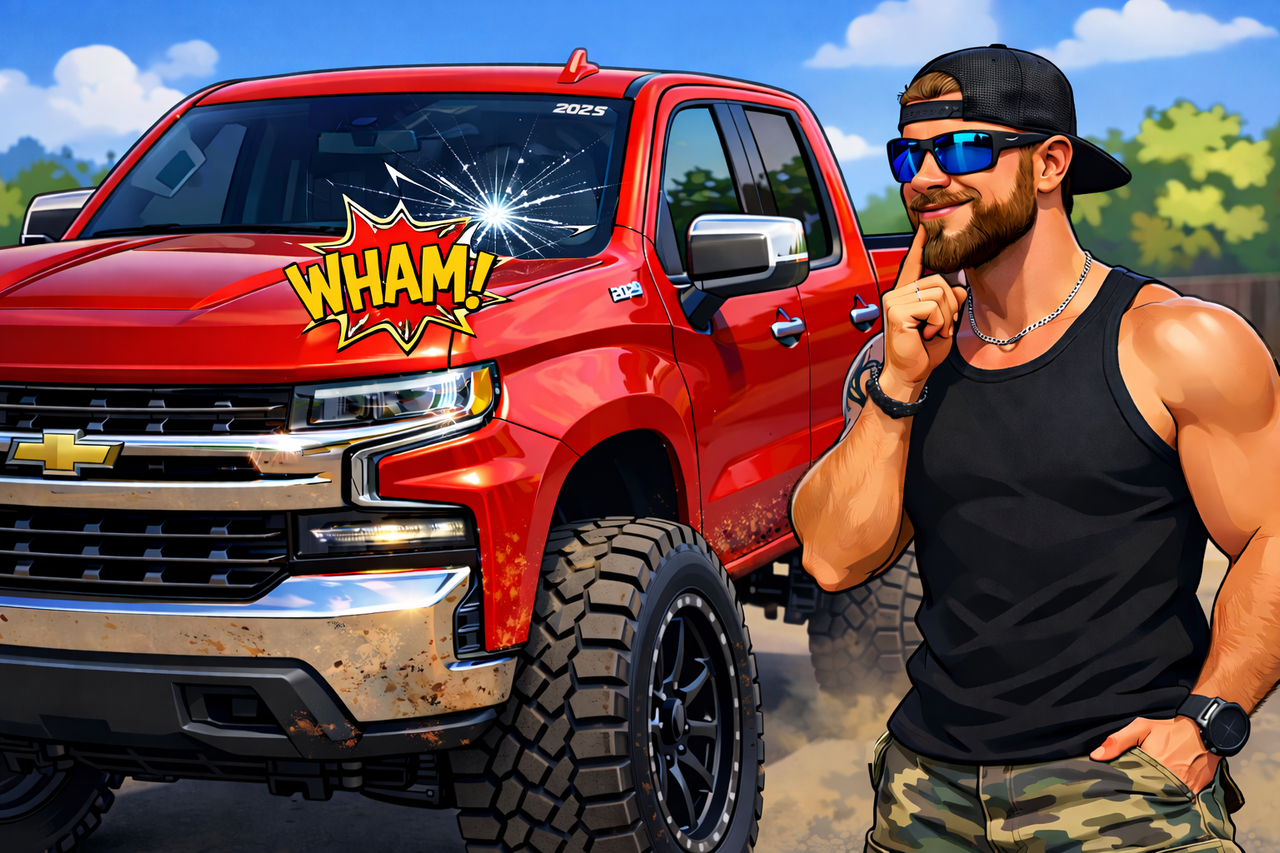
The slippery details: glass is not just glass
Two windshields can look identical on the rack and behave differently after installation. Consider three variables that come up in daily practice: bracket placement, optical quality, and acoustic or solar coatings. The camera often sits in a molded bracket or behind a black frit area with cutouts. If that bracket is off by even a degree or the frit pattern differs, you introduce parallax the camera cannot self‑correct. Optical quality matters too. OEM and high‑grade aftermarket glass control distortion across the field of view. Lower‑tier glass can ripple just enough at the top edge to confuse lane detection when the sun hits the road late in the day. As for coatings, many vehicles use acoustic dampening or infrared‑reflective interlayers. Cameras can see through them, but the coatings change how rain sensors and heads‑up displays behave. Pair the wrong coating with a particular sensor and you get slow wiper response or a fuzzy HUD that never quite focuses.
When a shop in Charlotte quotes your windshield, the representative is not being fussy when they ask about camera count, rain sensor presence, or HUD. They are narrowing the part number to glass that matches your exact build. It is also why a Charlotte Windshield Quote can differ car to car even within the same model year. A base trim may accept a broader range of aftermarket options. A premium trim with HUD and a complex bracket set demands specific glass if you want everything to work as designed.
Calibration is not optional
After replacement, the camera must be calibrated to the new glass. Automakers specify the method. Broadly, you see two approaches: static calibration, done with a target board and precise distances inside a shop, and dynamic calibration, done on the road at specified speeds and conditions. Many vehicles require both. The point is to teach the camera where straight ahead lives, what size the target appears at a known distance, and how the vehicle’s yaw and pitch translate into the image.
Skipping calibration risks more than a warning light. A misaligned camera may see a lane offset or delay an emergency braking alert. In Charlotte’s stop‑and‑go traffic on I‑485 or South Boulevard, split seconds matter. Insurance carriers understand this reality, which is why most policies that cover windshield replacement also cover calibration. It is written into OEM procedures. A shop that waves you out the door without calibration when the vehicle requires it is not doing you a favor.
How long it really takes
Drivers often ask how long they will be without their vehicle. On most late‑model cars, the physical glass swap takes 60 to 120 minutes depending on urethane cure time, sensor transfers, and trim work. Add calibration and you are looking at an additional 30 to 120 minutes, depending on the method and how quickly the system verifies success. Static setups go faster once the shop is tooled up for your make. Dynamic calibrations depend on real‑world factors. Try completing a road‑based calibration in a summer thunderstorm, and you may be waiting for the rain to ease because the camera cannot see lane lines well enough to validate.
From the Charlotte Auto Glass side, we plan for weather and route. A clear, well‑marked stretch of road near the shop speeds the dynamic portion. Inside, we keep lanes clear for target boards, control lighting to avoid glare, and use digital measuring systems so the board placement is repeatable. A good shop builds slack into the appointment window. If everything goes perfectly, you get time back. If a step takes longer, you are not biting your nails watching the clock.
What calibration success looks like
A proper calibration ends with a printout or digital report showing pass status for each module involved. On a typical vehicle, you will see the forward camera aligned, maybe radar verified, sometimes steering angle sensor reset as part of the process. The report is not decoration. It is a record you can keep with service history. If a feature later acts up, that report helps isolate whether the issue started after the glass or stems from something unrelated, like a bumper tap that nudged a radar bracket.
I have seen vehicles arrive with warning lights after a DIY camera disconnect, followed by an unrelated windshield crack a month later. The owner wanted the glass replaced and hoped the warning would go away. It did not, because the fault came from a radar misalignment in the grille. The calibration report after glass service proved the camera lined up fine. That saved the owner and the shop a round of finger‑pointing and got the car to the right repair bay.
Cost realities and why quotes vary
If you have called around for an Auto Glass Quote Charlotte drivers trust, you have noticed a spread. Price is driven by more than labor hours. Complex windshields carry more cost at the parts level, sometimes double or triple a plain pane. Add to that a camera bracket, gel pads for rain sensors, one‑time‑use clips, and a urethane that meets OEM specs. Calibration requires equipment and space, which the shop has to maintain and update. Then there is the liability of getting a safety system right. None of that is fluff. It is the difference between a job that holds up and one that introduces a new problem.
You can still be smart about cost. Insurance often covers a windshield under comprehensive with a deductible. If the glass is damaged by a covered loss and the manufacturer requires calibration, the calibration is generally part of the claim. If you are paying out of pocket, ask the shop to walk you through the parts line by line. On higher‑end models with HUD or heated camera zones, you may face a choice between OEM and certified aftermarket. I counsel owners to look beyond the label and focus on proven compatibility. If the aftermarket glass comes from a manufacturer with a track record on your exact make and includes the correct bracket set, it can be a sound decision. If your car is particularly sensitive to optical distortion or uses a unique HUD laminate, stick with OEM to avoid chasing micro‑issues later.
Field notes from Charlotte roads
Local conditions matter more than most estimates acknowledge. Urban cores with tight traffic and frequent construction confuse lane‑keeping algorithms even on a good day. The light rail extension areas, with fresh paint and temporary markings, can trip a freshly calibrated camera until the system relearns the environment. Out on I‑85, glare from midday sun on concrete can amplify any minor distortion. That is why we tend to schedule dynamic calibrations during times when markings are visible and traffic allows steady speeds. Early afternoons on weekdays often work. Saturdays can be hit or miss depending on events.
Pollen season adds another twist. A thin yellow film dulls the camera’s view. It is not a reason to delay replacement, but it is a reason to wipe the glass thoroughly before calibration and to explain to the owner that ADAS performance may swing a bit until the rain washes everything clean. Real life intrudes on lab conditions. A good technician anticipates those variables, sets expectations, and plans around them.
The technician’s checklist, boiled down
Use this as a straightforward reference when you talk to a shop or look over your vehicle after service.
- Verify the correct windshield part number for your VIN, including camera bracket, rain sensor pad, and HUD compatibility if applicable.
- Confirm whether your vehicle requires static, dynamic, or both calibrations, and that the shop has the equipment and space to perform them.
- Ask for urethane cure time and whether they use manufacturer‑approved adhesives and one‑time‑use clips.
- Request a calibration report showing module pass status, and keep it with your records.
- Test drive with the tech if possible to confirm lane, cruise, and sign recognition behave normally.
When mobile service does and does not make sense
Mobile glass service solves real problems, especially for busy schedules or immobile cars. For vehicles without ADAS or with systems that only require dynamic calibration, mobile can work well if the provider also performs road calibration nearby. The gray area appears with static calibrations that need precise targets, level floors, and controlled lighting. A driveway on a mild slope or a cramped parking garage throws measurements off. If your owner’s manual lists static calibration or your make is known for sensitive camera alignment, insist on an in‑shop appointment for that portion, even if the glass itself is replaced at your location. Many Charlotte Auto Glass teams offer a hybrid approach: mobile install, in‑shop calibration the same day.
Warranty, liability, and how to think about them
A credible shop stands behind both the glass and the calibration. Glass typically carries a warrantied period against defects and leaks. Calibration should come with the ability to return if a warning light appears within a short timeframe without additional charge, assuming no new damage or modifications. Liability is not an abstract issue. You want a partner who documents their steps and owns mistakes if they occur. Ask how often their team retrains on new model procedures and how they handle vehicles that require dealer‑level tools. In some cases, collaboration with a dealer is the right call. Pride has no place here. Safety does.
The insurance conversation without the runaround
If you are filing a claim, call your carrier and tell them you need a windshield replacement with ADAS calibration. Provide your preferred shop if you have one. In North Carolina, you have the right to choose your repair facility. Some carriers steer toward a network. The network is not a mandate. It is a recommendation tied to negotiated rates. If you trust a particular Auto Glass Charlotte provider, name them. The shop will typically handle the paperwork and billing directly. You should be asked to pay only the deductible. Make sure the calibration appears as its own line item on the work order. That protects you if questions arise later.
Edge cases: lifted trucks, lowered sedans, and cargo loads
Vehicles modified from factory ride height deserve a moment of attention. The forward camera expects a certain angle to the road, which the suspension sets. Lift a truck or lower a sedan and you change that angle. Many systems can adapt within limits. Some cannot, or they demand recalibration after the change. If you plan a suspension alteration, schedule a calibration after the work, even if the glass is unchanged. The same logic applies to persistent heavy cargo. A contractor’s van with a full rack of tools sits lower in the rear day after day, pitching the camera. If lane‑keeping feels nervous after a new loadout, a calibration can help it understand the new normal. In the Charlotte trades, I have seen this scenario often. A ten‑minute conversation up front saves two return visits later.
Choosing a shop that gets ADAS right
Price matters, but it cannot be the only variable. You are picking a team to do precise work that intersects with safety systems. Look for evidence, not slogans. Walk the bay if they allow it and glance at their calibration setup. Are targets clean and stored safely, or leaning against a wall? Do they use digital distance tools or tape and guesswork? Ask how often they update software. If they can speak confidently about your make and model, including whether it needs static boards or just a drive cycle, you are in the right place. It does not hurt to ask how many calibrations they complete in a typical week. Volume by itself is not quality, but repetition builds proficiency.
For drivers searching “Charlotte Windshield Quote” or “Auto Glass Quote Charlotte” at the last minute, skim reviews with an eye for ADAS mentions. Comments that discuss calibration by name, timing, and results tend to be more helpful than generic five‑star praise. You are windshield replacement Charlotte NC looking for signs that the shop communicates well, sets accurate timelines, and delivers vehicles without lingering alerts.
Aftercare: what to watch for in the first week
Once the new glass is in and the system passes calibration, treat the first week as a shakedown in varied conditions. Drive your usual routes, then include a night trip on a well‑marked road and a daytime run with mixed shadows. Pay attention to the usual ADAS cues you relied on before the replacement. If your lane‑keeping had a gentle hand and now feels twitchy, note where that happens. If the HUD looks slightly off center, snap a photo from the driver’s position in a parking lot. Bring these details to the shop promptly. Small adjustments can resolve most issues, and pointing to a specific stretch of Providence Road or I‑277 helps the technician replicate the scenario quickly.
Avoid car washes with high‑pressure jets directed at the glass edges for the first day if the urethane is still curing. Do not remove protective tape early. If a technician asks you to avoid slamming doors for a few hours, they are protecting the new bond. These are small asks that guard against leaks and keep the camera from shifting while the adhesive sets to full strength.
What the future holds and why it matters now
Automakers are folding more functions into the forward camera cluster each year. Night vision, improved pedestrian detection, and AI‑assisted perception depend on ever‑tighter tolerances. That points to a future where ADAS calibration becomes even more exacting and more traceable. It also argues for picking partners who invest in training and equipment instead of chasing the bottom dollar. Charlotte’s mix of urban, suburban, and highway driving makes these systems more than a luxury. They cut down on fender benders and serious collisions alike when they are aligned to reality.
If your windshield cracks tomorrow, you do not need a lecture. You need clarity on parts, timing, and outcomes. Call a shop that treats ADAS as part of the glass, not an add‑on. Ask focused questions, expect a calibration report, and do a brief road check in the conditions you drive most. When the job is done right, your car will feel normal again, just with the rock chip gone and the camera seeing the world the way it should.
A practical path to your next quote
When you reach out for a Charlotte Auto Glass estimate, have your VIN ready, along with notes on features like rain sensors, lane assist, and heads‑up display. Mention any recent suspension work or accidents, even minor ones. Ask the representative if they handle both static and dynamic calibrations in‑house and whether they will coordinate with your insurer. A solid shop will walk you through the options without pushing the most expensive glass by default. The right question to close with is simple: after replacement and calibration, will you provide a report and test drive if I request it? The best teams say yes without hesitation.
Replacing a windshield used to be a mechanical job with a cosmetic pay‑off. With ADAS, it has become a safety‑critical service with measurable outcomes. When you pick a provider who understands that, the process feels smooth, and your vehicle’s digital eyes stay as sharp as the day it left the factory.
Leave a Reply