Windshield replacement looks straightforward from the sidewalk, but the decisions hiding behind that curved sheet of glass matter more than most drivers realize. The right glass type influences how your vehicle handles a crash, how well your advanced safety systems perform, how much road noise you hear on I‑4, even how often you end up fighting fog or Florida sun glare. In Sanford and the surrounding Seminole County area, where daily commutes, sudden downpours, and rear windshield replacement sanford sunbaked parking lots are part of the routine, those details show up fast.
I have fit and inspected hundreds of windshields from OE manufacturers and reputable aftermarket brands. I have seen ADAS cameras fail to calibrate because of an incorrect frit pattern, and I have seen bargain glass bow under heat, creating a subtle “funhouse mirror” effect that tires the eyes on a long drive. The right choice balances safety, clarity, technology, and cost. If you are weighing options for Sanford windshield replacement, here is how to evaluate glass types with a clear head and a realistic budget.
Tempered, laminated, and why the windshield is different
Every car window is not built the same. Side and rear windows are typically tempered. They are heated and cooled to increase surface tension, then designed to shatter into pebble‑sized granules on impact. That is great for quick egress and injury reduction when a side window breaks.
Windshields are laminated, a sandwich of two glass layers fused to a plastic interlayer, usually PVB. The interlayer holds the structure together after impact, resists penetration, and pairs with the car’s roof pillars to provide rigidity. That laminated construction is why small cracks often “freeze” instead of exploding across the entire pane. It is also why structural adhesives, priming procedures, and cure times matter. The windshield is part of the safety cage, not a decorative panel.
When I evaluate a cracked windshield in Sanford, I think about three things first: can the damage be safely repaired, what glass type fits the vehicle’s equipment, and whether the replacement shop can handle calibration in one visit. The glass type question drives the other two.
Safety glazing standards and what they actually mean
All legal automotive glass in the U.S. must meet Federal Motor Vehicle Safety Standard 205 and relevant ANSI/SAE tests. That covers impact resistance, light transmission, abrasion, and more. When you see a DOT number etched in the corner, that is the manufacturer’s code. The marking does not mean every piece of glass from that maker is identical to the original windshield in optics and thickness, only that it passes the minimum bar.
Here is the practical difference I see in the field. A compliant but lower‑end aftermarket windshield may technically meet the rules, yet show slightly more optical distortion around the edges or in the area where the glass curves into the A‑pillars. That distortion can make lane markings ripple at the periphery, and the effect compounds during heavy rain. Better glass minimizes those anomalies. If you drive before dawn or after sunset, or you have a vehicle with lane‑keeping cameras mounted on the glass, that nuance is worth money.
The tiers of replacement glass: OE, OEM, and aftermarket
Shops often throw around three abbreviations that confuse customers. What matters is how the glass fits and performs, not just the label. In auto glass Sanford shops, you will hear these daily.
Original Equipment (OE). This is the exact glass that came on the car from the factory, with the automaker’s branding on the bug. You pay a premium, but you also get the original thickness, tint, acoustic lamination if applicable, and the correct frit pattern for sensors and brackets.
OEM equivalent. These windshields are produced by the same manufacturer that supplies the automaker but without the automaker’s logo. Often they come off the same production lines. If a Subaru or Ford uses a Pilkington or AGC windshield at the factory, the OEM glass branded by that manufacturer is typically indistinguishable in use. This is my default when the vehicle has ADAS features.
Aftermarket. Third‑party companies manufacture to legal standards. Some aftermarket brands are excellent, others vary batch to batch. The price difference can be meaningful, especially on older vehicles without sensors, but you must pair the glass with correct brackets and calibrate carefully. When a customer owns a 12‑year‑old commuter with no camera, a good aftermarket piece can be a smart choice.
Anecdotally, I have measured acoustic damping on comparable OE, OEM, and aftermarket windshields in similar vehicles on SR‑46 at 55 mph. The OE and OEM acoustic options shaved roughly 2 to 3 dB of cabin noise compared with standard aftermarket laminates. Numbers aside, most drivers describe the difference as less “hiss” from wind and less fatigue on longer drives.
Features that change the decision: acoustic, solar, and sensors
Modern windshields are not just glass. They are platforms for sensors, heating elements, antennas, and coatings. When you schedule sanford windshield replacement, match these features to the vehicle’s build. The VIN helps your shop decode many of them, but a quick visual check saves headaches.
Acoustic lamination. An extra acoustic layer reduces road noise. You usually see a small ear symbol or “Acoustic” text in the lower corner. If the car came with it, keep it. Swapping to standard lamination publishes wind noise into the cabin, especially in crosswinds on the 417. The difference is most noticeable in unibody SUVs and compact sedans.
Solar control coatings. Some windshields have infrared‑reflective coatings that reduce cabin heat. They look slightly purplish or green at certain angles. They provide meaningful comfort in Florida sun and cut AC load. Be aware that they can interfere with certain toll transponders unless there is a clear “toll window” area, usually dotted in the frit near the mirror mount. If you commute on the Veterans or use SunPass, verify you have a pass‑through spot.
Heated elements and wiper park heaters. Thin wires may be visible at the base of the glass, or the lower black band will conceal them. In Sanford, heated windshields are less common than in colder climates, but wiper park heaters do help in heavy rain by keeping blades flexible and clearing fog faster.
HUD compatibility. If your car projects speed or navigation onto the glass, you need HUD‑compatible laminate that manages double‑image ghosting. Installing a non‑HUD windshield results in a blurry, double line that is tough to read.
ADAS camera brackets and frit patterns. The shaded black area around the rearview mirror, known as the frit, is not decorative. It blocks light for cameras and hides adhesive. The frit pattern, thickness, and bracket alignment must match your vehicle’s camera and rain sensor. I have seen camera calibrations fail repeatedly because the frit’s edge leaked light into a sensor that expected a larger blacked‑out area.
How ADAS changes the stakes
If your windshield has a camera or radar bracket, the replacement is only half the job. Calibration ensures lane departure warnings, auto high beams, traffic sign recognition, and emergency braking behave as engineered. In my shop notes, vehicles with forward‑facing cameras require either static calibration, dynamic calibration, or both. Some examples:
-
Toyota and Lexus often call for dynamic calibration after a road drive at specific speeds and conditions. Every mile matters. I plan routes in Sanford that include a steady 40 to 60 mph stretch with clear lane lines, usually along 46 or Rinehart Road.
-
Honda and Acura may need static calibration with targets and exact distances in a controlled bay. Floor levelness within a few millimeters and proper lighting are not negotiable, or you chase your tail.
-
Subaru EyeSight is extremely sensitive to windshield optics. A subpar aftermarket pane can pass a walk‑around inspection yet fight calibration for hours. I lean heavily toward OE or OEM with EyeSight, and I verify the camera mounting angle before bonding.
If your shop promises sanford mobile windshield repair and ADAS calibration in the driveway, ask how they will set up targets and control lighting. Mobile calibration is possible with the right equipment, a level surface, and realistic scheduling, but it is not a ten‑minute add‑on. Good mobile auto glass Sanford teams block off adequate time and arrive with proper stands, laser measures, and updated software.
Repair versus replace: when a rock chip can be saved
Not every cracked windshield in Sanford needs replacement. A well‑placed repair saves money, keeps the factory seal intact, and takes less than an hour. Criteria I use:
Size and location. Star breaks and bullseyes up to about a quarter in diameter and short cracks under 6 inches can often be stabilized. Anything in the driver’s primary sight zone, especially if it refracts light into a halo at night, tips me toward replacement even if repair is technically possible.
Depth. If the damage reaches the inner layer or you can feel a rough crater where the resin would never fill evenly, replace.
Contamination and age. A fresh chip repaired the same day often looks nearly invisible. After a week of rain, dust, and washer fluid, the cosmetic outcome declines even if the structural repair succeeds. For rock chip repair Sanford drivers do best by covering the impact with clear tape immediately and scheduling within 24 to 48 hours.
Edge proximity. Cracks near the edge threaten the bond that connects the glass to the body, which affects roof crush resistance. Replace those.
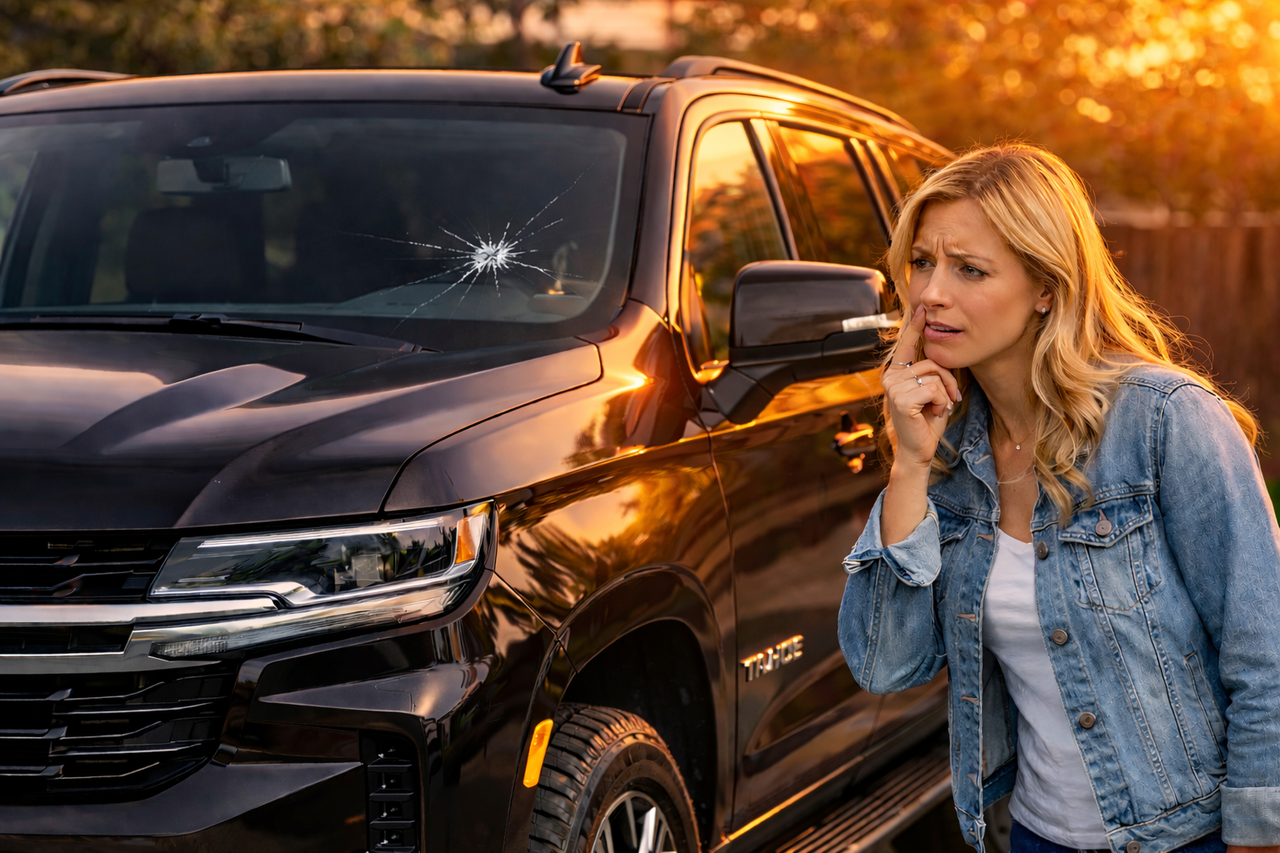
For sanford windshield repair, a reputable tech will explain the limits up front. Repair reduces the chance of spreading and restores significant strength, but some ghosting remains. If you need a perfect view field, replacement is the honest route.
The hidden craft in installation: adhesives, prep, and cure time
Glass type is only half the equation. Installation quality decides whether that glass performs like the engineer intended. I still see shortcuts that look harmless during pickup and show up months later.
Surface preparation. The bonding area on the body flange must be cleaned, any corrosion treated, and the correct primer applied. Using a universal cleaner on fresh urethane can contaminate the bond. Brands specify compatible primers, and mixing lines can reduce bond strength.
Urethane selection and cure time. Fast‑cure urethanes can reach safe drive‑away in 30 to 60 minutes under ideal temperature and humidity. In Florida summer, humidity accelerates cures, but a thunderstorm can flood a fresh seal if the trim is not set correctly. In cooler months, plan for longer safe drive times. A good shop leaves a time‑stamped sticker and explains constraints. If a provider rushes you out in 10 minutes regardless of the product used, that is a red flag.
Alignment. On many cars, the windshield must be centered within a few millimeters to seat correctly in the channel and align with A‑pillar trim. A skewed placement can pinch a weatherstrip, create wind noise, or misalign a camera just enough to fail calibration.
Reusing versus replacing moldings and clips. Some moldings are one‑time use. Saving a few dollars by reusing brittle clips often leads to rattles or a lifted edge. If your estimate includes new OE moldings where required, that is a sign the shop is planning the job properly.
Matching Sanford conditions: heat, sun, and sudden rain
Central Florida punishes materials. Park at the mall on a July afternoon and surface temperatures of a dark dashboard can exceed 160 degrees. Low quality glass may exhibit slight waviness when hot, and marginal PVB interlayers can develop edge haze sooner. The right choice for sanford auto glass replacement anticipates that environment.
Tints and shades. Many windshields include a blue or green top shade band that helps with low sun at rush hour. If your original had one, order it again. Without it, you will squint through morning and evening glare on Lake Mary Boulevard. Legal light transmission for windshields is tightly regulated, so avoid aftermarket films on the windshield itself unless professionally applied and compliant.
UV protection. Laminated glass inherently blocks a large portion of UVB, but IR‑reflective coatings improve cabin heat load. Drivers with leather interiors or sensitive electronics mounted high on the dash benefit from that upgrade if available for the vehicle.
Rain sensor accuracy. Sudden storms are common. Improper sensor gel pads or misaligned sensor housings cause slow or erratic wiper response. The fix is simple but requires the right gel and a careful seat without bubbles.
Insurance, cost, and when to insist on a specific brand
Sanford drivers often carry comprehensive insurance that covers glass. In Florida, many policies include windshield replacement with zero deductible, but coverage specifics vary, and insurers can prefer network shops. You still control the quality. If your vehicle is newer and equipped with ADAS, ask your carrier to approve OEM equivalent or OE glass and calibration. Most carriers allow it when justified by features.
Price ranges move with supply, but here is what I see locally as of recent jobs:
-
Standard laminated aftermarket windshield on an older sedan with no sensors: parts and labor in the low to mid hundreds.
-
OEM equivalent with rain sensor and acoustic layer: generally several hundred more.
-
OE with HUD and complex camera brackets: higher again, sometimes by 30 to 50 percent over aftermarket.
Factor calibration costs. Static and dynamic procedures add meaningful labor and equipment time. A complete sanford auto glass repair estimate that looks suspiciously cheap may be omitting calibration or using a third party you never meet. That is not inherently bad, but you should know who is calibrating and where.
If a shop quotes mobile auto glass Sanford service for the same day, ask for their exact plan for your vehicle. Some cars are fine in a driveway. Others truly need an indoor bay, level floor, and measurement tools.
What to check before and after the job
You do not need to become a glass technician to verify a professional result. Focus on small, telling details that reflect care.
-
Before: Confirm the glass features match what your car had, from acoustic lamination to shade band to camera bracket. Provide the VIN. Note any body rust or previous sealant issues so the shop can plan.
-
After: Inspect the ceramic frit border for even coverage, check that the mirror and sensors sit flush without gaps or sloppy gel, and run your hand along the exterior moldings to feel for solid engagement. Drive at 45 to 55 mph with the HVAC off and listen for new wind noise. If your car has ADAS, request the calibration report or screen photos showing successful completion.
Most sanford mobile windshield repair providers are happy to walk you through these checks on site. That openness is a good sign.
When aftermarket makes sense, and when it does not
There is no single right answer for every car and driver. I tend to recommend aftermarket only when the vehicle lacks ADAS, HUD, or specialized acoustic or solar coatings, and when the brand is one I trust from prior installs. For a 9‑year‑old commuter with a standard windshield, a quality aftermarket pane saves money without obvious trade‑offs. For a newer crossover with lane‑keeping assist and a history of precise alignment, I favor OEM equivalent or OE. That choice often saves an hour of calibration troubleshooting, which you pay for one way or another.
Edge cases are where experience helps. On certain models, even small differences in the frit mask change how a rain sensor perceives the world. On others, the curvature tolerance is tight enough that a camera sees the road horizon differently. If your sanford auto glass replacement involves a brand that your technician has struggled with on your specific model, listen to that feedback. A slightly more expensive pane that they have calibrated a dozen times successfully is worth it.
Mobile or in‑shop: what to expect in Sanford
Mobile service is convenient. Most cracked windshield Sanford calls I receive come from workplace parking lots or apartment complexes along Rinehart Road, and the job gets done without interrupting a workday. Still, I will steer certain vehicles to the shop:
-
EyeSight or similar dual‑camera systems that demand controlled lighting for static targets.
-
Vehicles needing corrosion remediation along the pinch weld. That work is cleaner and more durable on a lift with proper ventilation.
-
Jobs scheduled during active weather. A sudden storm ruins adhesive prep and may trap moisture in the bond.
Otherwise, sanford mobile windshield repair is completely viable with a disciplined process. Expect the tech to cordon off the work area, protect your dash and fenders, and manage safe cure times before handing back the keys.
The rest of the glass: side and rear replacements
While the headline is about windshields, side and rear glass choices matter in a different way. Sanford car window replacement typically involves tempered glass. When a thief breaks a quarter window or a lawn edger launches a pebble, the glass shatters completely. Here, aftermarket is often acceptable because ADAS implications are minimal, though embedded antennas or defroster grids on rear glass require matching. If the rear window houses a camera or brake light, insist on correct bracketry and connector compatibility. For SUVs, I favor OE or OEM rear glass when there are integrated antennas, because that function is sensitive to trace quality in the glass.
Local realities: vendor availability and lead times
Seminole County’s supply chain has improved compared with early pandemic days, but certain specialty windshields still require a day or two of lead time. HUD windshields and models with unusual camera brackets are the common bottlenecks. When you arrange sanford auto glass repair, ask about ETA and whether the shop has alternatives if the first choice is backordered. I sometimes present two options: OEM equivalent available tomorrow, or OE arriving in three days. Most customers appreciate the transparency and choose based on schedule rather than a marginal cost difference.
Where keywords meet real decisions
If you search for auto glass Sanford, you will see a dozen options promising same‑day service. The right pick is the one that explains glass type choices plainly, matches your car’s feature set, and stands behind calibration. For rock chip repair Sanford drivers should move quickly and ask about resin quality and UV curing tools. For sanford windshield replacement, insist on clarity about glass origin, acoustic layers, solar coatings, and ADAS readiness. For sanford mobile windshield repair, confirm the tech’s calibration plan and safe drive‑away time. If you need sanford car window replacement after a break‑in, prioritize secure temporary coverage the same day, followed by proper fitment with new clips and weatherstrips.
A short, practical checklist for choosing the right glass
- Identify your windshield’s features: acoustic, solar, HUD, rain sensor, camera. Photograph the etching and the mirror area.
- Decide on OE, OEM equivalent, or high‑quality aftermarket based on those features and your tolerance for calibration risk.
- Confirm the shop’s calibration capability and ask for a copy of the post‑calibration report.
- Verify adhesives, moldings, and clips included on the estimate, plus safe drive‑away time for the exact urethane used.
- Schedule promptly for repairable chips, and cover fresh impacts with clear tape until service.
Final thoughts from the install bay
Picking a windshield is a bit like choosing tires. All legal options will roll, but the right match to your vehicle and driving environment turns into fewer surprises, less fatigue, and better safety. For sanford windshield repair and replacement, spend a few minutes on glass type and installation details. That small investment pays you back every dawn commute when the sun breaks over the St. Johns River and your windshield does exactly what it was designed to do: disappear.
Leave a Reply