Charlotte keeps you on your toes. One week you’re scraping frost at dawn, the next you’re parking under a sun that feels like a heat lamp. That swing is hard on auto glass. Add in I‑77 grit, surprise potholes on Wilkinson Boulevard, and the odd hailstorm marching up from South Carolina, and even a healthy windshield can develop stress points that turn into spidering cracks. I spend a lot of time around glass, from quick chip repairs in Plaza Midwood driveways to full windshield replacement Charlotte NC commuters need after a rock strike on Independence. Patterns emerge. Seasons matter. And with a bit of timing and strategy, you can keep your glass intact a lot longer than the average Queen City driver.
What follows isn’t theory. It’s the kind of advice I give customers while we’re finishing a mobile auto glass repair Charlotte side‑street job or taping off a rear window after a Saturday fender bender. The goal is simple: help you prevent cracks, know when a chip can be saved, and choose smartly between windshield repair near me and a full replacement when the seasons push your glass to its limits.
The way Charlotte’s weather stresses your windshield
Auto glass expands and contracts. The change is small, measured in fractions of a millimeter across a large panel, but that’s enough to turn a tiny impact point into a running crack when temperatures whip back and forth. Charlotte’s winters aren’t brutal, yet we see overnight lows dip into the 20s a dozen or more times. When you crank the defroster to high heat on cold glass, the center warms faster than the edges. That uneven expansion creates tension right where an old chip has weakened the surface. If a crack is going to sprint, this is when it happens.
Spring adds long, drizzly stretches. Moisture seeps into an unrepaired chip, then the next cold night the trapped water expands. That micro‑jack effect can widen a pit by a hair, which is enough to keep resin from bonding perfectly later. Summer brings new challenges. Parked cars hit 130 to 150 degrees inside after a few hours. The windshield sits under a sloped greenhouse, baking. Then you climb in, blast cold AC, and the interior layer of the laminated glass cools faster than the exterior. That reverse shock is just as bad as winter’s hot defrost.
Fall, with early morning fog and big afternoon temperature swings, becomes a season of fatigue. It’s when older glass with multiple pockmarks starts to talk, meaning it clicks softly or shows faint lines that look like tiny rivers. If you’ve driven I‑485 at rush hour behind a gravel truck, you likely own at least one of those marks.
The upshot: the same chip behaves differently across seasons. Timing your fix is part of preventing escalation.
Winter habits that keep chips from turning into cracks
Cold glass is brittle. The trick in Charlotte’s cooler months is to treat temperature changes like a dial, not a switch. Before sunrise jobs, I often see dashboards set to high heat and fan speeds on max. It feels good, but on glass it’s like dropping an ice cube into hot oil.
A small routine helps. Start the car, use low heat directed at your feet for two to three minutes, then bring the defroster in gradually. If your windshield is frosted, resist the boiling‑water trick your uncle swears by. Use a plastic scraper, a de‑icer rated for auto glass, or lukewarm water from a thermos. Keep the fluid in the 80 to 100 degree range. Anything hotter will shock the outer layer.
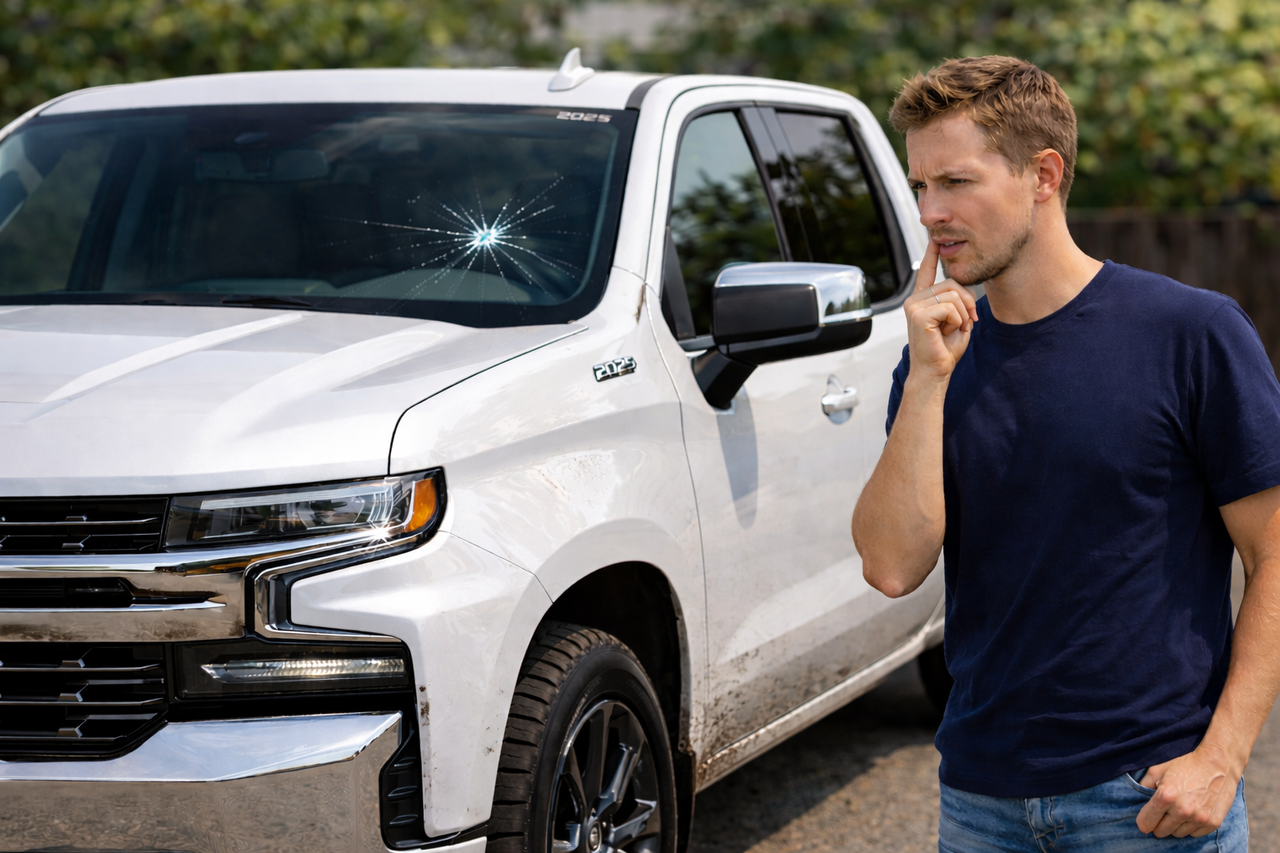
Watch for the first freeze after rain. This is the night that turns hairline chips into cracks. If you know you’ve got a chip, cover it with a clear chip saver or common packing tape before the storm. The goal is to block moisture and road salt from settling into the pit. I keep a few chip savers in the glove box of my service van and give them out because a ten‑cent sticker can save a windshield repair worth 15 to 30 minutes instead of a windshield replacement that steals half your day.
For those early morning commuters around University City and Ballantyne who leave before sunrise, consider a garage, even a shared one at your apartment complex. If that’s not an option, a breathable windshield cover acts like a blanket. It’s not about warmth as much as it is about moderating the rate of temperature change when you start the car.
Spring rain, pollen, and the stealthy damage they cause
Charlotte’s pollen season dusts everything. Pollen granules are tiny, but under the wipers they act like fine grit. Run your wipers dry over a dusty windshield, and you’ll feel the micro‑scratch under your fingertips later. Most scratches are superficial, yet sometimes a wiper blade with a torn edge will grab and chatter, especially near the lower arc. That repeated vibration can turn a bull’s‑eye chip into a star break.
I ask customers to replace wiper blades more often than the packaging suggests. Twice a year in Charlotte is about right, usually around April and again in late October. Cheaper blades work if you replace them on schedule. Keep the windshield washer reservoir topped with fluid that includes a surfactant. Plain water beads and skips.
Spring storms mean tree debris. Parked under a live oak in Dilworth, you might find a twig lodged under the wiper. Clear it gently. If a branch comes down with a thud, inspect the glass closely in clean light. Some impacts leave a bruise in the inner layer that’s easy to miss. Turn on the interior dome light at night and look for a halo or faint white stress ring. Catching that early gives you a shot at repair before the heat of summer exaggerates the damage.
One more spring note: avoid leaning windshields against the pressure washer wand at the DIY car wash. A zero‑degree tip and an inch of standoff is enough force to drive water into an edge chip. Use a fan tip, keep a hand’s breadth of distance, and go easy on seals.
Summer heat and cabin shock: how to outsmart the sun
If winter brings brittle glass, summer brings soft, stressed glass. On a 95‑degree day, the surface of a black dash can exceed 170 degrees. The windshield edge, where it meets the urethane bead, holds heat longer than the center. That’s where existing cracks like to propagate once you cool the cabin too fast.
When I do mobile windshield replacement Charlotte services downtown at noon, I always crack the windows slightly and leave a note on the dash reminding the owner to use medium AC for the first 10 minutes. That advice isn’t just for new glass. Make it a habit all summer. A reflective sunshade does more than protect your dash; it cuts the starting temperature of the glass by a noticeable amount, often 20 degrees or more. That reduction eases the gradient when the AC kicks in.
Parking strategy matters. Shade from a crepe myrtle helps, but be mindful of falling seed pods and sap, which can glue themselves to glass and wipers. Parking garages are ideal. If you’re street parking in South End or NoDa, try to orient the car so the nose faces east in the morning and west in the afternoon to balance sun exposure. Rotating your usual spot sounds fussy, but uneven, repeated baking on one corner of the windshield can accelerate edge fatigue, especially on older installations where the urethane bead has slight gaps.
For chips that appear in summer, treat them like you would a sunburn. Keep them covered and dry. Heat thins the resin we use for repairs. That’s good for penetration, but it also means contaminants set faster. I’ve repaired chips in July that were less than 24 hours old, still pristine inside, and the cure looked like glass. The same chip after a week of humid afternoons had pollen inside the pit and left a faint witness mark even after a careful drill and fill. Quick action improves cosmetic results.
Fall potholes and the bumps you don’t notice until it’s too late
Autumn around Charlotte brings leaf piles that hide the edges of patched asphalt. Hit one at speed, and the sudden torsion through the chassis shows up at the top corners of the windshield. That’s where cracks often start if your body mounts are tired or your windshield isn’t bonded perfectly. If you see a tiny crack originate near the upper passenger corner and run an inch or two in, that’s a classic body flex pattern.
You can’t avoid every bump, but you can soften their effect. Proper tire pressure, especially as mornings cool, reduces the shock transmitted to glass. I check mine weekly and set it 2 PSI below the door jamb spec during late fall when temperature swings are largest. It adds a touch of compliance without triggering a TPMS warning. If you carry roof racks, remove them when not needed. Extra torsion from a loaded rack shows up at the glass edges when you cross angled driveways or speed humps.
Leaves also clog cowl drains. Water pooling at the base of the windshield sneaks through tired seals and swells the urethane bead. That repeated wet‑dry cycle weakens adhesion in older installations. Clear the cowl after storms. If you hear sloshing under the dash or see water beading inside the glass near the lower corners, schedule an inspection. It might be a $20 drain cleanout rather than a future windshield replacement Charlotte NC residents would rather avoid.
When to repair, when to replace
I get asked this weekly, often with a hand‑drawn sketch of a chip. The rules of thumb are simple but not absolute. A chip the size of a quarter or smaller, without significant cracking and outside the driver’s primary line of sight, is usually a good candidate for repair. Star breaks and bull’s‑eyes respond well. Cracks shorter than three inches can sometimes be stopped and stabilized if the ends are drilled and filled. Anything longer than six inches, or any damage that includes a deep surface spall exposing the PVB layer, pushes us toward replacement.
Location matters. A repaired chip dead center in the driver’s view may distort light enough to be distracting at night. In those cases I’ll demonstrate with a light and we decide together. Modern ADAS features require extra caution. If your car relies on a camera behind the glass for lane keeping or collision alerts, a windshield replacement means calibration. This adds time and cost. A proper shop will either calibrate in‑house or coordinate mobile calibration. Cutting corners here leads to phantom alerts or, worse, missed ones.
There’s also the matter of structural integrity. Your windshield supports the roof in a rollover and forms part of the airbag’s backstop. A compromised bond from a previous poor installation can be unsafe. If I see rust around the pinch weld or uneven urethane, I’m quicker to recommend replacement, even for damage that might otherwise be repairable. That’s not upselling; it’s judgment honed by seeing how glass behaves in real accidents.
The case for fast, local service
With glass, time isn’t just money, it’s outcome. Moisture, dirt, and repeated stress change a chip from a near‑invisible fix to a scar you’ll notice every morning on Albemarle Road. That’s why mobile auto glass repair Charlotte solutions exist. A tech can meet you at work in SouthPark, repair a rock chip in under half an hour, and leave before your lunch break ends. For many drivers, searching windshield repair near me and booking the same day is the difference between a $100 repair and a much more expensive windshield.
Same day auto glass repair Charlotte NC is realistic for most chips and even some side or rear glass replacements, provided the glass is in stock. Rear windshield replacement Charlotte NC jobs often take longer because defroster connections and trim differ between models, and the glass itself may require an order if you drive something less common. Side window replacement Charlotte tends to be quicker but messier, with shattered tempered glass hiding in door tracks. A good tech will vacuum thoroughly and blow out the channel so fragments don’t scratch the new pane.
If you do need full windshield replacement, mobile windshield replacement Charlotte services can meet you at home. Plan for a safe drive‑away time after installation. Most modern urethanes set enough to drive within one to two hours, but the full cure depends on humidity and temperature. In summer, cure times can be shorter due to heat, yet I still advise avoiding highway speeds and slamming doors during the first few hours. In winter, we take extra care with primers and adhesive temperature control to ensure proper bonding.
Choosing the shop that treats your car like theirs
Charlotte has plenty of options. The best auto glass shop Charlotte NC drivers can pick isn’t necessarily the one with the loudest ad. I suggest looking at a few telltales. Ask about the resin or urethane brand and the primer system. If the tech can explain why they use a specific high‑modulus urethane for your car’s body type, you’re in good hands. OEM glass versus aftermarket is a nuanced discussion. OEM isn’t always necessary, but for vehicles with sensitive ADAS or noise control glass, it often makes sense. A trustworthy shop will lay out the trade‑offs and costs without pushing.
Check for calibration capability if your car needs it. Some shops have dedicated targets and alignment rigs on site. Others partner with mobile calibration specialists who set up at your location. I’ve seen DIY recalibration attempts with printed targets taped to garage doors. That’s not what you want. Proper alignment uses manufacturer specs, controlled distances, level floors, and a scan tool that verifies the procedure.
Mobile service should look professional. The van should carry glass handling gloves, suction cups rated for your windshield’s size, clean blankets, and vehicle‑specific molding removal tools. I pay attention same-day auto glass Charlotte NC 28232 to how a tech removes your cowl trim. If they pry blindly, clips snap and rattles start. If they release each clip with the right tool and tape the painted edge they’re working near, that care will carry through the entire job.
Preventive care you can do in five minutes a month
A little attention goes a long way. Once a month, stand where you can see reflections in the glass and scan for new chips. Use fingertip pressure, not a nail, to feel for pits. Clean with a quality glass cleaner and a fresh microfiber. Keep separate towels for glass and interior plastics. A towel that has seen interior dressing will smear your windshield and reduce wiper effectiveness.
Lift the wiper arms and wipe the rubber with a damp cloth. If you feel nicks, replace them. Check that washer nozzles fan evenly across the glass. Clogged nozzles concentrate fluid and can cause wipers to skip, which chatters the leading edge and stresses the glass. Pop the hood and look at the cowl drains for leaves and mud. Twenty seconds here prevents headaches later.
If you detail your car, avoid aggressive clay bars on glass unless you’re experienced. Clay can grab on micro‑chips and widen them. For water spots, a dedicated glass polish with cerium oxide works well, but go slowly and avoid edges. Edges are the Achilles heel of every windshield.
What to do right after a rock hit
Here’s a short, practical sequence for that moment when a truck tosses a pebble:
- Safely change lanes and reduce speed to lessen vibration across the glass. Note the exact spot of impact so you can find the chip later.
- Cover the chip with a clear sticker or clean tape to keep out dirt and moisture until repair. Avoid touching it with fingers or tools.
- Avoid extreme temperature changes for the next day. No hot defrost in winter or max AC in summer pointed at the chip.
- Schedule a repair promptly. If you search windshield repair near me, pick a provider that can meet you same day or next morning and uses UV‑curing resin.
- Take a quick photo for insurance if your policy covers chip repairs with no deductible. Many do, and claims often don’t affect rates.
That calm minute can be the difference between a crisp, nearly invisible repair and a permanent star in your field of view.
Insurance, cost, and timing: honest numbers
Chip repair usually costs less than a dinner for two at a good Charlotte restaurant. Prices range roughly from 80 to 150 dollars for the first chip, with add‑ons for additional chips at lower rates. Many comprehensive policies in North Carolina cover chip repair with no deductible because it prevents costlier claims later. The process takes about 20 to 40 minutes depending on chip type and access.
Windshield replacement is a wider range. For common sedans without complicated sensors, you might see 300 to 500 dollars with aftermarket glass, more with OEM. Vehicles with heated glass, acoustic interlayers, heads‑up display zones, or camera mounts can run 700 to 1,500 dollars, sometimes higher for luxury brands. Calibration can add 150 to 300 dollars if needed. Side window replacement Charlotte jobs generally fall between 200 and 400 dollars, while rear windshield replacement Charlotte NC tends to be 250 to 600 due to defroster elements and additional labor to clean shards.
Lead times vary by season. Spring hail or a major road resurfacing project that scatters gravel can spike demand. That’s when mobile windshield replacement Charlotte schedules tighten, and glass warehouses run low on certain models. If your vehicle is uncommon, call ahead to confirm glass availability. A good shop will check multiple distributors and give you an honest ETA.
Edge cases the season brings
A few unusual scenarios deserve mention. If you split time between Charlotte and the mountains, altitude and colder nights around Boone stress glass differently. A chip that looks stable in town may lengthen after one Blue Ridge Parkway trip if you switch from warm cabin to chilled air at a scenic overlook. If you run track days at CMP or VIR, ask your installer about high‑modulus urethane and windshield bracing recommendations for your platform. Body flex is real at speed, and glass sees it.
Owners of electric vehicles often notice more road noise changes after glass work. EV cabins are quiet, so a slightly different acoustic laminate or a misaligned trim piece stands out. When scheduling auto glass repair Charlotte NC for an EV, mention the model and ask about experience with that specific windshield part number. It helps the shop source the exact acoustic glass and be prepared for camera calibration linked to driver assistance.
If you operate a work truck with racks and ladders, vibrations and torsion lead to recurring chips on the passenger side of the windshield. Consider a rock guard film designed for glass. It won’t stop a big strike, but it can reduce chips from fine gravel. I’ve seen it pay off on service fleets that rack up highway miles.
The value of doing it right the first time
Not all repairs or replacements age the same. A clean, dry, UV‑cured repair with the correct viscosity resin holds up for years and keeps cracks from traveling. A rushed job in the rain, with moisture trapped inside the chip, often looks cloudy later. Replacement has similar pitfalls. Glass prep, primer dwell time, urethane temperature, and bead size all matter. I’ve pulled windshields that were bonded to old urethane blobs, leaving gaps where water and air could intrude. You won’t know it on day one. You’ll know it when a summer thunderstorm brings a drip at the A‑pillar or when a winter body creak emerges as a rattle.
Choosing the right provider isn’t a luxury, it’s insurance. A shop that answers your questions clearly, offers mobile options when needed, and stands behind the work will save you time and stress. Whether you’re booking same day auto glass repair Charlotte NC to fix a chip from a Friday uptown commute or planning a full replacement after a weekend mishap, the principles stay the same: control temperature swings, keep damage clean and dry, act quickly, and insist on proper materials and techniques.
Bringing it all together, season by season
Charlotte keeps your windshield busy. Winter wants you to warm up gently, spring asks you to fight grit and water intrusion, summer demands patience with the AC, and fall rewards those who clear drains and watch hidden potholes. If you tailor your habits by season, you’ll prevent most cracks before they start. When damage happens, lean on a reputable local pro. Search windshield repair near me, ask a couple of smart questions, and book the fix before the week’s weather puts extra stress on the glass.
If the day comes when you need more than a repair, you have options. From car window replacement Charlotte NC for a shattered door glass to rear windshield replacement Charlotte NC after an unlucky parking lot incident, mobile service shortens downtime and keeps your schedule intact. And when replacement is the call, choose the best auto glass shop Charlotte NC offers for your vehicle’s needs, whether that’s basic transportation or a tech‑heavy SUV with cameras and sensors tucked behind the mirror.
Treat your windshield like part of the safety system it is. A little foresight, season by season, keeps the view clear, your passengers safer, and your road trips out to Lake Norman or down to the Whitewater Center a little more carefree.
Leave a Reply