When a windshield takes a hit on the 417 or a side window shatters while your car sits at a trailhead near Lake Monroe, you feel it in your day. Appointments shift, errands slip, and safety concerns loom. Mobile auto glass service exists to keep that disruption small. Technicians come to your driveway, office parking lot, or apartment complex and do the work where the vehicle sits. Done right, it feels almost effortless. Done wrong, you chase wind noise, leaks, and sensor issues for weeks. The difference comes down to preparation, technique, and clear communication.
I’ve spent years around glass vans and shops in and around Seminole County. Patterns emerge. Weather matters. Adhesive cure times matter. The right windshield for a car with driver-assist cameras is not the same as the one for the base trim parked next to it. In Sanford, mobile work succeeds when the team treats the job like a controlled shop repair, just without the building.
What mobile auto glass service really includes
The phrase mobile auto glass Sanford gets used broadly, so it helps to break down what most technicians can handle on-site. Standard windshield replacements and repairs are everyday mobile jobs. Side door glass and rear quarter glass, the pieces that usually break during a break-in or a lawn equipment mishap, are also straightforward in a parking lot or driveway. Back glass can be more involved because of defrost grid wiring and often requires cleanup of a lot of tempered glass fragments. Still, a well-equipped rig carries vacuum gear, window regulators, mounting clips, and trim tools.
The key limitations are weather, workspace, and electronics. If a thunderstorm rolls in off the St. Johns River, a short tent helps, but heavy rain contaminates adhesives and jeopardizes the bond. If the car sits in a tight condo garage with low light and no room to open doors fully, access slows the job. And if the vehicle uses an advanced driver-assistance system that relies on a camera behind the glass, a recalibration step takes the work from simple to specialized.
Most Sanford auto glass repair teams handle rock chip repair with a 30 minute visit. Windshield replacements usually run 60 to 120 minutes on-site, depending on the trim, whether moldings need to be replaced, and how stubborn the old urethane is. Side and rear glass often fall in the 60 to 90 minute range, plus cleanup.
Windshield repair vs. replacement, explained in real terms
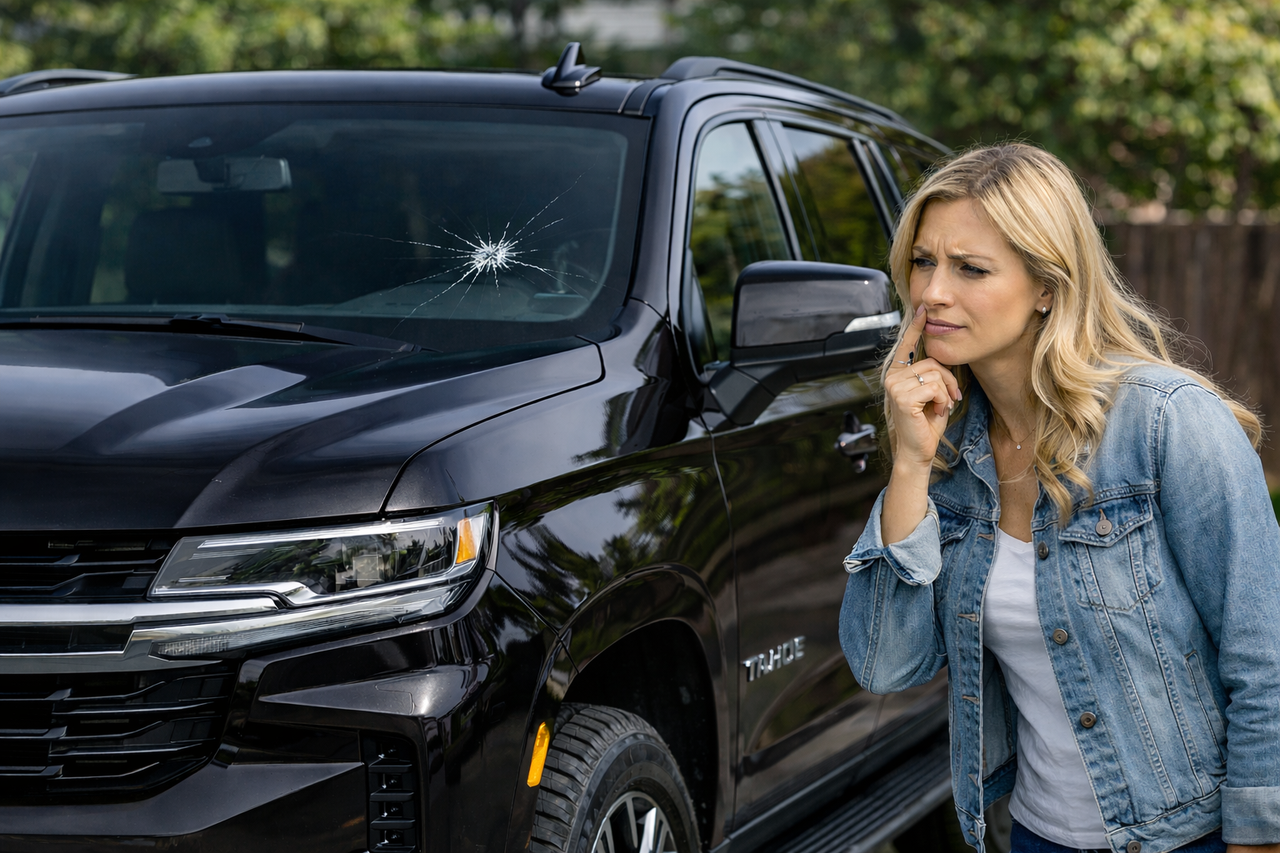
When customers ask whether a cracked windshield in Sanford can be repaired rather than replaced, we look at three variables: size, location, and progression. A chip about the size of a dime or quarter can often be saved if it hasn’t spread into a long crack. A tight, short crack near the center of the glass might be a candidate, but once it stretches across more than roughly 6 to 8 inches, or reaches the edge of the glass, sanford windshield repair becomes unlikely to hold. If the damage sits directly in the driver’s primary sight line, a repair may technically work, yet you can still see refraction and a faint blemish. Many techs will take a hard line there and recommend replacement.
Humidity and heat push damaged glass to worsen. Summer pop-up showers followed by direct sun makes a tiny blemish grow. I’ve watched a chip double in length between the parking lot and the driveway on a 92 degree day. That’s why rock chip repair Sanford providers push for same-day or next-day appointments. Acting fast costs less and keeps the original factory seal intact. The original bond between the windshield and the vehicle body is strong and consistent, so saving it when possible is often the best outcome.
Replacement steps into the picture when the structural integrity of the laminated glass is compromised. A windshield is not just a view pane. It supports the roof line and provides a backstop for airbag deployment in many vehicles. A proper sanford windshield replacement uses a vehicle-specific glass part, new moldings when required, primer for both the pinch weld and the glass, and a high-quality urethane adhesive with a defined safe drive-away time. Skipping steps creates long-term issues that rarely show up on day one.
The mobile workflow, step by step without fuss
You can tell a seasoned tech by how they set the stage. They will confirm the VIN and options, then look at the body around the glass for rust or old adhesive residue. They will place fender covers, suction cup the old glass, and protect the interior dash and seats. Removing the cowl grille and trim clips without breaking them saves rattles later. Cutting the old urethane is part skill, part patience. The goal is to leave a thin, even bed on the body so the new adhesive bonds to it cleanly. You do not want to see bare metal, and you do not want uneven gobs left behind.
Before the new glass goes on, they dry-fit it, mark alignment tabs, and check that the mirror mount and any rain sensor or camera brackets match your car’s setup. Primers go on, then urethane is applied in a continuous bead with correct height and shape. Glass is set in one controlled motion so the bead compresses evenly. The tech will check reveal gaps, reinstall trim, and then leave the doors slightly cracked to prevent pressure spikes when you close them.
Cure time matters. Many modern urethanes have a safe drive-away time between 30 and 120 minutes depending on temperature, humidity, and whether the vehicle has passenger airbags that rely on the glass. A good sanford auto glass replacement technician explains the waiting window and writes it on your invoice. If a rainstorm is imminent, they will pad the cure time. In practice, I advise customers to plan for an hour of no driving and to go gentle with door slams for the rest of the day.
ADAS and calibration: why the glass itself is only half the job
If your car has forward collision warning, lane keeping, or automatic high beams, you likely have a camera mounted to the windshield. When that glass is replaced, the camera’s view shifts, even if only slightly. Modern cars expect that camera to be calibrated to a tight tolerance. Without calibration, steering assist might tug at the wrong moment, or the car might read lane lines late.
Sanford mobile windshield repair does not always require calibration because chip repair leaves the glass in place. But sanford windshield replacement often does. There are two approaches. Static calibration uses a target board and a level workspace. Dynamic calibration uses a specific drive cycle on well-marked roads. Some vehicles need both. Mobile technicians can perform calibration on-site if they carry the right equipment and if the location allows a flat, open space for targets. Otherwise, they will schedule a short follow-up at a partner shop with the right floor and lighting. Expect 30 to 90 minutes for this step.
Be wary of skipping calibration to save time. Insurers recognize it as a necessary part of the job on cars that require it. A proper estimate should list calibration separately and note the method used. If a provider treating sanford auto glass repair shrugs it off, ask pointed questions.
Parts and glass quality, de-jargoned
You will hear a few acronyms and terms: OEM, OEE, aftermarket. OEM means the glass originates from the same brand that supplies the factory. OEE means an original equipment equivalent, produced to the same specs, often by the exact same manufacturer but without the automaker logo. Aftermarket covers the rest.
For many vehicles, OEE glass is excellent and the right value. The deciding factors are acoustic interlayers, heads-up display compatibility, embedded antenna performance, and camera bracket accuracy. If your vehicle uses an acoustic windshield or HUD, insist on the proper spec, not a generic fit. It is entirely reasonable in the sanford auto glass replacement context to request a brand you trust. Names like Saint-Gobain, Pilkington, XYG, and Fuyao come up often. The technicians know which ones seat well on which models. Ask.
Moldings and clips matter too. A fresh molding that actually fits your trim level is better than reusing a brittle or warped piece. For premium models and trucks with wide cowl moldings, new clips avoid squeaks. Cheap tape-on universal moldings are a last resort you should avoid unless parts are backordered and you just need a weatherproof stopgap.
Weather, shade, and the realities of Sanford’s climate
Mobile auto glass Sanford work patterns follow the weather. Midday heat over asphalt can push glass temperatures beyond 130 degrees. Adhesive chemistry tolerates heat, yet extreme surface temps change set time and handling. Good techs will work in the shade, orient the vehicle so the windshield isn’t baking, and cool the surface with air before priming. On humid afternoons, moisture is both friend and foe. Urethane moisture-cures, but you do not want water sitting in the bond line. Light rain with good cover can be fine. Heavy rain and wind call for rescheduling.
Pollen season adds another variable. Yellow dust gets everywhere and contaminates the work area. You may see techs wipe and re-wipe the pinch weld and glass edge to control debris. If your car parks under an oak that won’t stop shedding, consider moving it to a cleaner spot before the appointment. A clean pad of concrete beats an oak-lined curb every time.
Insurance, out-of-pocket costs, and the Florida wrinkle
Florida’s glass coverage rules have shifted over the years, and carriers update policies accordingly. Many drivers still have zero-deductible windshield coverage, which makes sanford windshield repair or replacement straightforward from a cost standpoint. Side and rear glass typically fall under your comprehensive deductible. If your deductible is low, file the claim. If it sits at 500 dollars or higher, side glass may come out cheaper as a cash job, especially for common sedans.
Mobile providers are accustomed to billing insurers directly. They will gather your policy number, verify coverage, and get authorization. Calibration charges, moldings, and shop supplies should be listed. Be cautious of any sanford mobile windshield repair outfit that pressures you to sign an assignment of benefits without walking you through it. You can authorize the work and still keep control of the claim.
Cash pricing ranges vary by vehicle: a basic sedan windshield might run 250 to 450 dollars for quality OEE glass, while a HUD-equipped SUV can top 900 dollars. Side door glass often lands between 200 and 350 dollars, back glass anywhere from 300 to 700 depending on defrost wiring and shape. Rock chip repair Sanford runs 80 to 140 dollars in most cases, sometimes discounted if multiple chips are repaired at once.
Safety, visibility, and the quiet issues most people miss
A windshield that looks fine at noon can be a hazard at night. After a replacement, pay attention to glare and wiper performance. If you notice faint distortion bands at the top or edges, especially visible through polarized sunglasses, mention it early. Some distortion is within spec, yet it should not distract you. Wiper chatter after a replacement often points to an incorrect glass contour or a blade angle change. Sometimes simply resetting the blade arms fixes it. Other times the glass needs to be reseated.
Water leaks show up as a soft hiss at highway speed, or moisture in the headliner after rain. The cure is not always to add more adhesive. Often, a missing clip or mis-seated molding creates a gap. A thoughtful sanford auto glass repair tech will water-test the car after a replacement if conditions allow. If your schedule forces a quick handoff, do your own hose test at home and call immediately if you see a drip. Reputable companies warranty their seals and will come back.
On vehicles with heated windshields or embedded antennas, radio or defrost performance can point to a poor electrical connection. The small connectors are easy to bend or misalign. Again, call within days, not weeks, so the tech who did the work can recall specifics and make it right.
What to do before the van arrives, and what to expect after
A little prep helps the job run smooth. Move the car to a spot with space around it, ideally level, with the nose clear and the driver door able to open fully. Take toll transponders and dash cams off the glass. If you have a dash cam with a hardwired lead, tell the tech so the cable routing isn’t trapped. Remove parking passes you want to keep. Pets should stay inside to avoid an escape when doors are open.
After the work, you will get a set of do’s and don’ts. The highlights are simple: wait out the safe drive-away time, leave an opening in a window for a couple of hours, and go easy over speed bumps for the first day. Do not run a car wash with high-pressure spray directly against fresh moldings for 48 hours. If you have ADAS features, look for any warning lights or messages. A car that underwent dynamic calibration might need a short, straight drive at steady speed for the system to relearn.
Here is a compact checklist that keeps things on track without overthinking it:
- Clear three feet of space around the car and park on level ground in daylight if possible.
- Remove dash cams, passes, and transponders from the glass before the appointment.
- Confirm whether your vehicle needs camera calibration and how it will be performed.
- Ask for the safe drive-away time in writing and follow it.
- Do a quick road test and hose test within 24 hours, then report any issues promptly.
Local nuances: Sanford patterns and common calls
In Sanford, a surprising number of calls tie back to weekend trips that involve gravel or construction zones. The I-4 corridor sees constant resurfacing and lane shifts, and small stones kicked up by trucks create those familiar stars low on the passenger side. For rock chips, a repair done within 48 hours after the impact has the highest success rate. Sun, heat, and humidity conspire against waiting.
Neighborhoods with street parking, especially near downtown, see more side glass break-ins than garage communities. For sanford car window replacement after a break-in, ask whether the provider handles cleanup. Sweeping the seat isn’t enough. Glass hides in door channels and on the rear deck. A tech with a slim vacuum wand and patience saves you from pinhole cuts weeks later.
Hurricane season brings a different wave of calls. Flying windshield crack repair sanford debris during storms cracks glass, and branches fall onto rear windows. Scheduling tightens up right before and after storms. Providers triage urgent safety issues first: a smashed windshield with no visibility or a rear window that leaves the cabin open to rain. If your issue is a cosmetic crack that hasn’t spread, be flexible with days and you’ll get a better time slot.
How to separate a strong provider from a weak one
It is not hard to find a mobile auto glass Sanford listing. It is harder to find the crew that behaves like a well-run shop on wheels. A few markers help. Do they ask for your VIN and options up front? That points to correct parts ordering. Do they explain cure time without you prompting? That means process matters to them. Do they carry calibration equipment or have a clear plan for it? That shows they work with modern cars. If they give a firm price that includes moldings, shop supplies, and taxes, they’ve done this enough not to nickel-and-dime.
The tech’s kit tells a story too. You should see fresh blades, clean primer daubers, and urethane within date code. A sealant gun with a heated option helps in cooler weather. Suction cups should be clean and sized to your glass, not a single worn cup doing all the lifting. Neatness correlates to outcomes here.
One more thing: human follow-through. If a company handling sanford auto glass replacement offers a one year leak warranty, ask how to reach them directly if needed. A technician’s business card or a direct text line beats a call center when you need a quick adjustment.
A few edge cases worth calling out
Convertible windshields and frameless door glass behave differently because the door seals do more work. Expect a bit more test fitting and adjustment. If your vehicle has an aftermarket tint strip or full tint, plan the sequence with your provider and tint shop. For windshields, many tint installers prefer to apply film after replacement and cure.
Classic cars bring another set of challenges. Gasket-set windshields require a different technique than bonded urethane installs, and some mobile vans simply do not carry the right tools or gaskets. If you have a vintage model, confirm experience specifically with gasket installs.
Commercial vehicles and vans with large, tall windshields might require a second tech for safe handling. Do not begrudge the extra set of hands. Large panes are heavy and flex when lifted, and improper handling can introduce stress that shows up later as a crack along a corner.
When repair is the smarter call
For many drivers, sanford windshield repair beats replacement if the damage qualifies. The repair process involves injecting a clear resin into the chip or short crack, curing it under UV light, then polishing the area. Done soon after the impact, the blemish can fade to a faint mark and the crack stops growing. Repair keeps the factory seal intact, costs less, and takes less time. Insurance carriers often waive deductible for repairs too. There is an art to it: the tech will stabilize the crack tip to prevent further spread, then flex the glass slightly to allow resin penetration. If you see a hairline crack starting near the edge, call same day. That is the kind of case where a pro can sometimes stop the spread before it forces a full replacement.
Bringing it all together
Mobile glass work is one of those services that looks simple from the sidewalk and is anything but from the inside. The best providers in sanford auto glass repair treat your driveway like a controlled bay, manage the variables they can, and tell you straight when something needs a different approach. They recognize the trade-offs: repair versus replacement, OEM versus OEE glass, on-site calibration versus a short shop visit. They also respect your time by showing up with the right part, on time, and by leaving the car cleaner than they found it.
If you are dealing with a cracked windshield Sanford drivers dread, a side window shattered in a downtown lot, or a small rock chip you just noticed after work, plan the next steps, not the worst case. Call a provider who asks good questions. Share your VIN, your trim, and any camera or HUD features. Ask about calibration, cure time, and warranties. Clear a space, pull off the dash cam, and set aside an hour. With the right team, sanford mobile windshield repair or replacement turns back into a normal day faster than you expect, and the only reminder is a clear, quiet ride down 17-92.
Leave a Reply