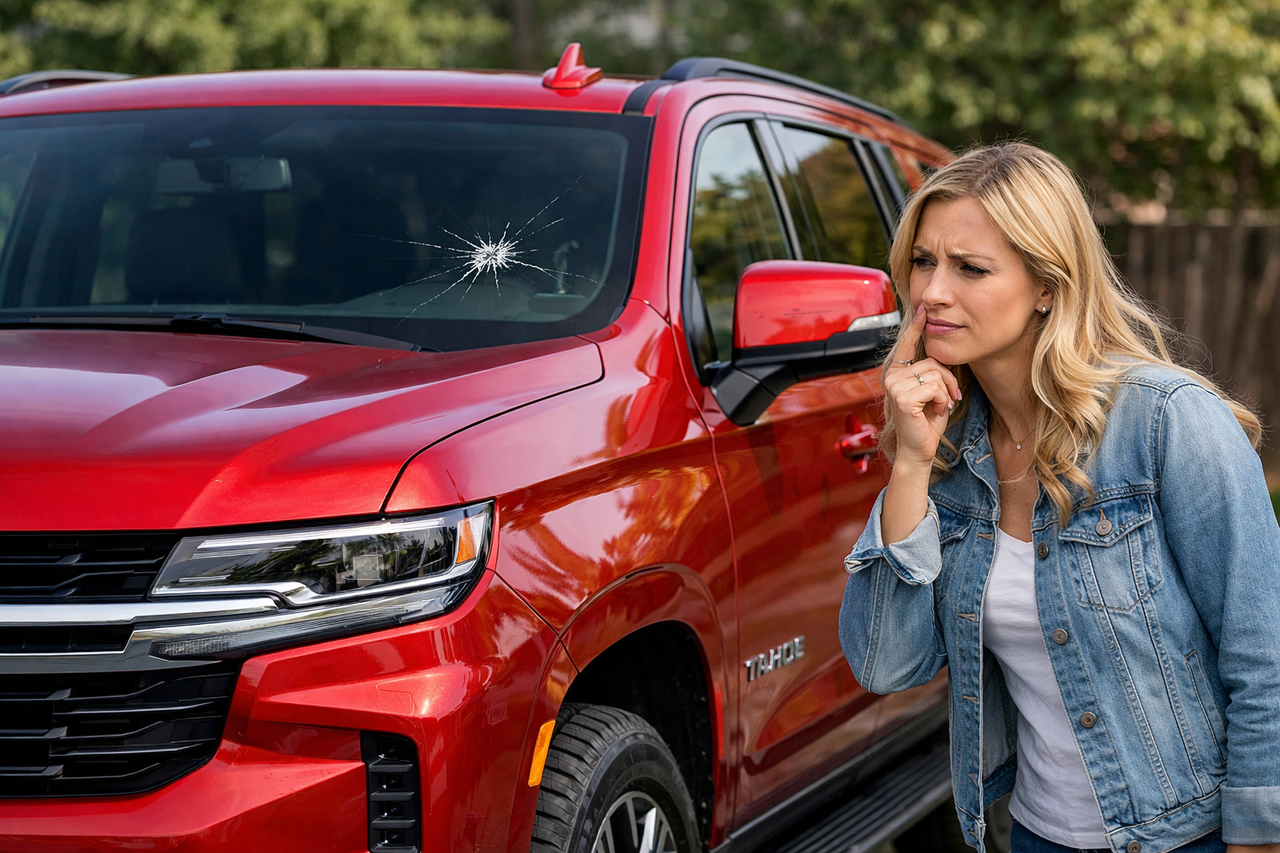
Windshield damage rarely announces itself. One minute the glass is clear, the next a pebble thrown by a truck tire snaps against the surface and leaves a star no bigger than a pencil eraser. Drivers in Sanford see this often, especially on stretches of US-1 and I-4 where construction zones and quick traffic merges kick up debris. A small rock chip is more than cosmetic. Left alone, it can spider into a crack that crosses the driver’s field of view, triggers a ticket, or forces a full replacement at a far higher cost. Knowing what to do in the first 24 hours can be the difference between a thirty-minute fix and a full day without your car.
This guide draws on real-world repair experience in the Sanford area. It covers how cracks spread, how to slow them, when a chip is a good candidate for repair, and when a full windshield replacement makes sense. It also looks at practical choices, like mobile service options, insurance coverage, and what to expect from a reputable shop.
Why small chips turn into big problems
Auto glass is laminated safety glass, two layers of glass bonded to a plastic interlayer. That sandwich structure resists shattering, but it also makes the material sensitive to stress. A rock impact creates a point of weakness in the outer layer. Heat expands the glass, cold contracts it, and the gap between daytime highs and nighttime lows in Sanford can swing 20 to 30 degrees in a single day. Every thermal cycle flexes the glass, loading that weak point until a tiny crack runs outward. It often happens overnight, which is why people discover a long crack in the morning after the car sat in the driveway.
Road vibration and body flex compound the problem. Turn over a railroad crossing on 17-92, hit a pothole on Lake Mary Boulevard, or angle into a steep driveway and the frame twists slightly. The windshield helps stiffen the cabin, so stress concentrates around any flaw. Add moisture working into the cavity of the chip, then heat from a defroster, and you get a perfect recipe for a small star break to spread.
If the damage reaches the edge of the glass, the risk of propagation jumps. The edge has pre-existing micro-defects from finishing. Once a crack connects to that area, it tends to run faster and farther. That is why most auto glass sanford technicians will say this plainly: time matters. The sooner a chip is stabilized, the better the odds you avoid a long crack and a replacement.
First 24 hours: steps that buy you time
People ask for a simple, practical script. There are a few actions that have proven reliable for slowing crack growth before a professional repair.
- Cover the chip with clear tape. A small piece of packing tape keeps out water and dirt. Avoid duct tape, which can leave residue. Do not press hard or try to pick glass fragments.
- Protect from rapid temperature swings. Park in shade. Skip the defroster on high. Avoid blasting cold A/C directly onto a hot windshield.
- Drive gently. Avoid rough roads if possible and take speed bumps at a crawl. Frame flex multiplies stress on the chip.
- Book repair as soon as possible. Same-day or next-day sanford windshield repair is common in town. Many shops offer mobile service that comes to your driveway or workplace.
Those four steps are simple, but they prevent the two biggest accelerants: contamination and thermal shock. If you do nothing else, tape and shade give you a meaningful head start.
What “repair” actually does
Rock chip repair uses a curable resin to fill the void. A trained tech will clean the impact site, apply vacuum and pressure cycles with a bridge tool, and inject resin of appropriate viscosity into the cracks and micro-fissures. Then a UV light cures the resin, and a pit filler levels the surface to restore smoothness. The goal is twofold: stabilize the glass structurally and improve optical clarity. The best results leave a faint blemish that is noticeable only at certain angles.
People are sometimes surprised at how much of the star’s “white” disappears once resin replaces air. Air refracts light. Resin that matches the refractive index of glass makes the break less visible. That said, repairs are not magic erasers. Expect roughly 70 to 90 percent cosmetic improvement with correct technique. The more complex the break pattern, the more visual trace remains.
Repair candidates vs replacement candidates
You do not need a magnifying glass to decide if a chip qualifies for repair. A few practical rules cover most cases.
- Size and type. Bullseye and star breaks under the size of a quarter, and combination breaks under a half dollar, are good candidates. Surface pits without cracks are often cosmetic and do not require repair. Long cracks, especially those over 6 inches, are poor candidates.
- Distance from the edge. Damage within about 2 inches of the windshield edge has a higher failure risk after repair. Some shops will still attempt repairs here, but with clear disclosure of the risk of spread.
- Driver’s line of sight. If the chip sits directly in front of the driver, many technicians and insurers prefer replacement. Even a well-done repair can distort slightly under glare. Safety comes first.
- Depth. If the impact cone reaches the plastic interlayer or penetrates both glass layers, replacement is the safe route.
There are exceptions. I have repaired star breaks a little larger than a quarter for drivers who needed a quick stabilization before a road trip, with the understanding that a replacement might follow. On the other hand, I have recommended replacement for smaller chips that sat right in the critical vision zone where the road meets the horizon. Judgment matters, and a trustworthy sanford auto glass repair shop will explain the trade-offs.
The Sanford context: roads, weather, and routines
Sanford’s mix of urban traffic, suburban construction, and coastal weather patterns creates a familiar risk profile for glass damage. Afternoon thunderstorms roll through in warm months. Wind-driven rain forces water into unprotected chips, and the moment the sun returns, that trapped moisture heats quickly. Morning dew in cooler months does something similar. Frequent trips between air-conditioned interiors and hot, humid exteriors generate steep temperature gradients across the glass.
Add commuting corridors like I-4 and the 417, where aggregate from trucks gets kicked into the passing lane, and you get steady chip incidents. That is partly why mobile auto glass sanford services have become popular. A tech can outfit a repair tent in a parking lot, keep wind and dust off the work area, and finish a repair while you are at your desk. It removes the excuse of waiting for a free Saturday.
How insurance fits into the decision
Florida laws around windshield coverage have evolved. Depending on your current policy, comprehensive coverage may waive the deductible for windshield repair or replacement. Many carriers still cover rock chip repair sanford without out-of-pocket cost, because a thirty-minute repair is cheaper than a full glass replacement. But it is risky to assume. Call the number on your insurance card and ask two direct questions: does your policy waive the deductible for repairs, and do you need to use a preferred network shop?
Preferred networks exist to control pricing and warranty standards, not necessarily to steer you to the closest option. If your insurer suggests a call center, you can still request a local sanford mobile windshield repair company you trust. In practice, claims for repairs are fast. The shop photographs the damage, submits a claim through an app or portal, and gets authorization while they set up the bridge tool. For replacements, authorization might take a bit longer if sensors or recalibration are involved.
ADAS sensors and when replacement gets complicated
Many late-model vehicles use forward-facing cameras and rain sensors mounted near the rearview mirror. If the glass is replaced, those systems often require recalibration. Static or dynamic procedures ensure lane-keeping, adaptive cruise, and collision avoidance function correctly. Plan for this in timing and cost. A straightforward replacement may take two to three hours including safe drive-away time for urethane curing. Add calibration and you may need the car for most of a workday.
If your car has acoustic or solar-coated glass, the replacement part must match specifications. Using the wrong glass can introduce wind noise, foggy sensor behavior, or heat rejection differences you will notice on a hot Sanford afternoon. A seasoned sanford auto glass replacement team will decode the VIN, verify options, and order the correct part. When calling, have your VIN ready and be prepared to answer whether you have rain-sensing wipers, heads-up display, or driver assist packages.
What a quality repair looks and feels like
From setup to cleanup, a professional sanford windshield repair should follow a clean sequence. The tech will inspect and photograph the damage, explain the likely outcome, and set up shade or a canopy to control light and dust. They will remove glass dust from the impact pit and ensure the area is dry. Moisture complicates resin curing, so some techs gently warm the area before injection. The bridge tool centers over the chip, a vacuum cycle pulls air from the break, then pressure forces resin in. UV curing locks it in place.
When you run a fingertip over a completed repair, the surface should feel smooth. From the driver’s seat, the blemish should not distract. At night under streetlights you may see a faint sparkle at certain angles. That is normal. The key test is stability. A well-done repair stops the crack from spreading. Good shops back the work with a warranty. In my experience, if a repair fails within a year, it usually happens in the first three months, often after a strong heat wave or cold snap. Reputable outfits will credit the cost of repair toward a sanford windshield replacement if spread occurs.
When replacement is the safer choice
Beyond the obvious cases of long cracks and deep damage, there are scenarios where I recommend replacement even if repair could physically be attempted. If you drive long nighttime routes and the chip sits near your main sightline, any glare artifact is too much. If your current windshield already shows heavy pitting from highway miles, adding a repair to a tired surface does not improve overall clarity. If multiple chips cluster in a single area, the cumulative stress makes a future crack likely. And if the damage meets a previous repair or reaches within a half inch of the edge, the probability of failure jumps.
There is also the safety dimension. Windshields contribute to roof crush protection and airbag performance. An undermined structure can compromise how the passenger airbag deploys against the glass. If a technician says the break has reached the inner layer, or if the laminated interlayer shows milky moisture intrusion, do not hesitate. A correct sanford windshield replacement with proper primer and urethane, done in the right temperature and humidity window, restores the safety envelope of the vehicle.
Mobile repair vs shop visit
Mobile service has clear advantages for quick rock chip repairs. Minimal disruption, on-site work at your home or office, and fast turnaround. For replacement, mobile can still be excellent, provided environmental control is adequate. Wind-driven dust and sudden rain are the enemies of clean bonding. Many mobile teams windshield repair sanford nc carry pop-up shelters and moisture meters. When I schedule a sanford mobile windshield repair or replacement, I watch the afternoon forecast. If thunderheads build, I prefer a morning slot or bring the vehicle into the shop bay.
Shops have better lighting, stable temperature, and lift access. They are ideal for vehicles that require ADAS calibration or for complex trims that need substantial cowl removal. For a simple rock chip repair sanford residents can comfortably choose mobile service. For sensor-laden windshields or vehicles with specialty glass, a shop visit often saves time and avoids rework.
Cost ranges and time expectations
Pricing varies by vehicle and glass options, but some rough ranges help planning. A single chip repair typically runs in the $80 to $150 range locally, sometimes less with a multi-chip discount. Many insurers cover this fully. You are looking at about 30 to 45 minutes on site, longer if the chip has multiple legs to fill.
Replacement costs can range from $300 for basic economy vehicles to $1,200 or more for luxury models with heated glass, acoustic layers, and camera brackets. Add $150 to $300 for camera calibration if needed. Drive-away time depends on urethane type and ambient conditions. Mid-tier urethanes reach safe drive-away strength in one to two hours at Sanford’s typical humidity and temperature. A careful technician will document lot numbers and cure recommendations. When in doubt, give it extra time before hitting highway speeds.
Choosing a reputable local provider
You have no shortage of options, from national chains to independent shops. A few traits separate the reliable from the rest. Look for clear communication about repair vs replacement criteria. Ask how they handle failures after repair. Check whether they document primer and urethane use and follow safe drive-away times. For sensor-equipped vehicles, ask specifically about calibration method and documentation.
If a company pushes replacement immediately for a small, centered chip, probe their reasoning. There are valid reasons to replace, but a good sanford auto glass repair professional will explain those reasons in plain language. Conversely, if someone promises a repair will look “like new,” manage expectations. Skilled work gets close, but physics still applies.
Beyond the windshield: side and rear glass
Side and rear windows are tempered, not laminated. When a rock chips a side window, it often looks fine until a sudden slam of the door or a temperature swing makes it shatter into small cubes. There is no repairing tempered glass. If you have a small nick in a side window, plan for sanford car window replacement, not repair. Rear windows with defroster grids require careful removal and installation to preserve heater function. Mobile auto glass sanford providers handle these jobs routinely, but scheduling can be tighter because part availability varies more than windshields.
Practical maintenance habits that reduce risk
The best repair is the one you never need. There are a few low-effort habits that cut your odds of damage. Increase following distance behind trucks hauling aggregate or landscaping debris, especially on 46 and around construction sites. Avoid hugging the shoulder where gravel collects. Replace worn wipers before summer, since brittle blades drag grit across the glass and start micro-pits that glare at night. Keep washer fluid topped off so you are not tempted to dry-wipe dust with the wipers.
When you do get a chip, address it quickly. The cost curve is simple: sooner equals cheaper. I have seen drivers carry a clear tape square in the glove box, use it after a highway strike, and preserve a perfect repair window for the next day. Meanwhile, drivers who wait a week, run the defroster on high twice, and drive through two rainstorms often end up scheduling a sanford windshield replacement instead.
What to expect the day of service
A smooth service day starts with a clean, accessible work area. Park with space around the front of the car. Gather the insurance card if you plan to use coverage. The tech will inspect, photograph, and explain. If it is a repair, plan to keep the vehicle stationary during and for a few minutes after curing. If it is a replacement, plan for a no-slam rule on doors for the rest of the day. Slamming doors can pressure spike the cabin and disturb fresh urethane. Avoid car washes for 24 to 48 hours. Blue painter’s tape sometimes appears along the top trim to remind you not to tug on the molding. It is not structural, just a courteous visual cue.
After a repair, drive normally. After a replacement, listen for wind noise at highway speed. If you hear a new whistle near the A-pillar or mirror area, call the shop. Most times it is a minor trim seating issue the team can address quickly. If your vehicle required ADAS recalibration, the shop should provide a printout or digital confirmation. If lane-keeping or forward collision warning behaves oddly, return for a check.
Local nuances: timing, traffic, and convenience
Sanford’s rhythm matters for scheduling. Early morning mobile appointments beat afternoon storms in summer. If you work downtown or near the airport corridor, mobile service can stage in employee parking and finish by lunch. If you need shop work, plan around peak traffic on the 417 and I-4. A mid-morning slot avoids the morning crush and gives enough buffer for safe urethane curing before the evening commute.
Many shops serving cracked windshield sanford calls also cover surrounding areas like Lake Mary, Longwood, and DeBary. If your schedule is tight, ask if they can stack a repair visit with a nearby job. You often get a faster window that way. For fleet managers, batch scheduling reduces downtime. Four chip repairs on delivery vans can be done sequentially in a single lot with one setup.
When you want to wait, and when you should not
Not every chip demands panic. If the temperature is moderate, the chip sits far from the edge, and you can park indoors, you can book a repair later in the week. On the other hand, if a cold front is due after a hot day, or the chip touches the edge, or you spot a faint leg already growing, act immediately. Edge-connected cracks tend to surprise you overnight. Florida’s humidity makes moisture intrusion fast, and the next sunny hour can drive vapor pressure inside the break. If mobile slots are full, ask for a shop drop-in. Many sanford auto glass replacement and repair shops hold a couple of same-day emergency windows.
Final thought: clarity, safety, and value
Auto glass looks simple until it is not. A tiny rock chip holds a lot of risk if ignored, and a lot of savings if handled promptly. The path is straightforward. Keep the chip clean and dry, avoid thermal shock, schedule a competent sanford windshield repair, and let a seasoned technician guide the call between repair and replacement. When replacement is necessary, do it right the first time with proper materials and calibration. The payoff is tangible: clear vision, a quiet cabin, and one less worry on the road.
Whether you choose a shop or a sanford mobile windshield repair service, prioritize those who explain their process, set realistic expectations, and stand behind their work. That is the kind of service that keeps small problems from becoming big ones and keeps you focused on the drive instead of the glass in front of you.
Leave a Reply