When a rock snaps off the back of a dump truck on US‑17 and browses a bullseye into your windshield, you can usually limp home. When a tree limb drops in a thunderstorm and spiderwebs the glass across the driver’s side, you can’t. That’s where mobile auto glass Sanford services earn their keep. They show up in your driveway or office lot with a compact shop on wheels, and if you’ve never paid attention, the equipment they carry is more specialized than it looks. The quality of your repair or replacement often comes down to what’s in the van, how it’s used, and whether the tech knows when to switch tactics.
I’ve worked alongside glass techs in Sanford and watched good ones turn a cracked windshield into a like‑new install in under two hours. I’ve also seen a bad urethane bead and an impatient cure time create wind noise that drove the owner crazy for months. The difference wasn’t luck, it was tooling and process. If you’re curious about what a skilled team brings for Sanford auto glass repair and replacement, here’s a guided walk through the kit and the decisions that shape a job done right.
What matters most in a mobile glass setup
Mobile isn’t a compromise if the rig is built well. On a good day, a Sanford mobile windshield repair truck carries everything a shop bay has, just miniaturized and secured so it doesn’t rattle itself to pieces on brick streets near downtown. The mission is predictable: remove safely, install cleanly, seal properly, and let it cure in the real world without a climate‑controlled booth. Every tool and consumable supports one of those goals.
That means power sources you can trust on a rainy afternoon, adhesives matched to humidity, cut‑out tools that won’t chew up a Toyota pinch weld, and glass handling gear sized for a Silverado as easily as a Civic. The rest is craft.
Prep and assessment: the quiet start
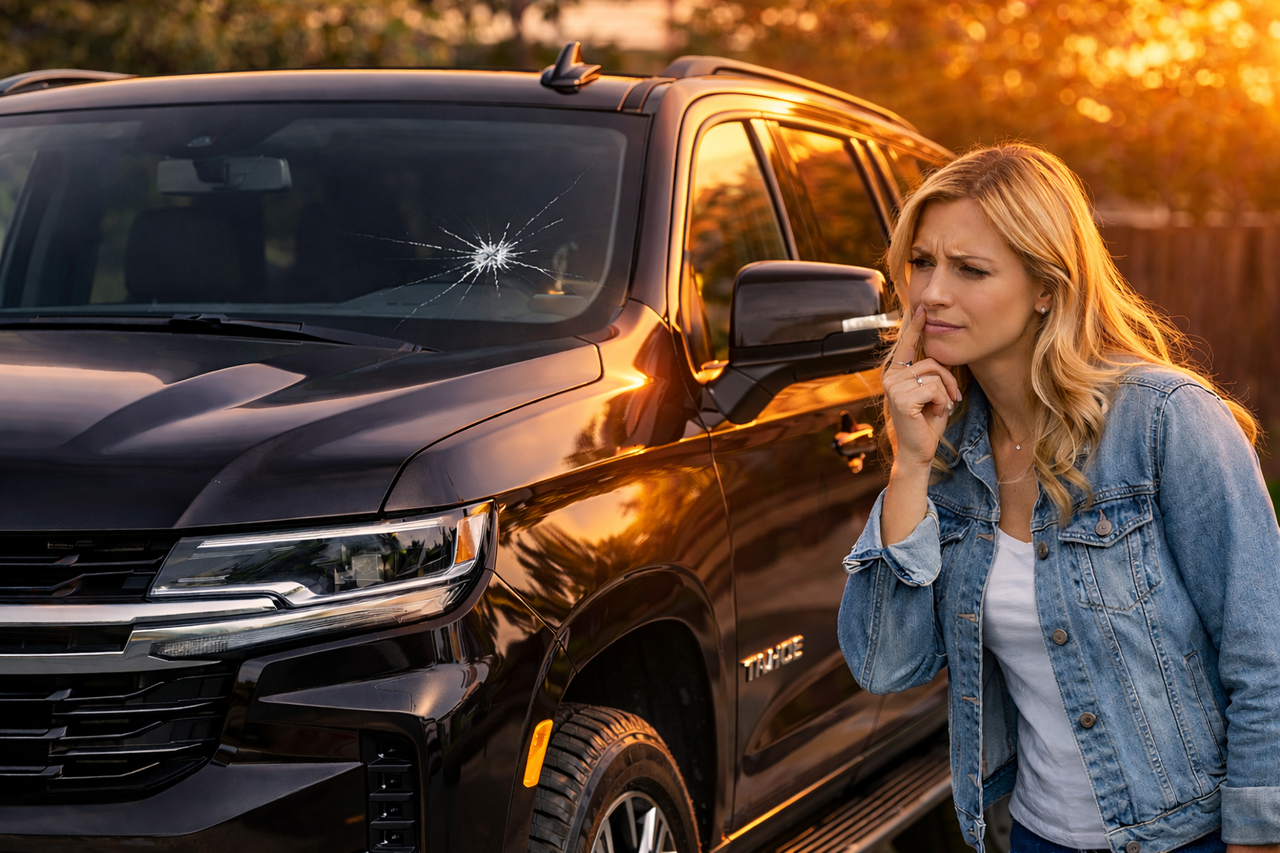
Before anyone pulls a blade, a good tech assesses the damage and the environment. With a cracked windshield Sanford drivers often think they need a replacement, but I’ve watched a veteran save a customer two hundred dollars by fixing a nickel‑sized star break in twenty minutes. The decision comes down to crack length, location, contamination, and whether the damage reaches the inner layer of laminated glass.
For rock chip repair Sanford techs carry an inspection light with a high CRI rating and a jeweler’s loupe. The loupe reveals legs you don’t see at a glance, especially in bright Florida sun. They’ll also check for debris in the impact crater. If the chip has been sitting for weeks, it may be full of dust or car wash residue. That affects resin choice and the time needed to clean it out. When the damage intrudes into the driver’s primary field of view, or runs to the edge, the safety compromise tips the scale toward Sanford windshield replacement.
The parking spot matters too. Ideally the van parks nose‑to‑wind to create a bit of shelter, and the car is positioned so the front isn’t baking under full noon sun. Heat drives urethane viscosity down and sets off fast‑cure adhesives before the glass is seated. Mobile auto glass Sanford teams carry a pop‑up canopy for days when shade is hard to find, and some use reflective glass blankets to slow down heat soak on dark dashboards.
Hand tools that protect the car
Removing a bonded windshield without scarring the frame sounds simple until you’ve cut into a painted pinch weld once and spent the next hour treating bare metal so it doesn’t rust. The tool choice depends on the vehicle and the glass adhesive used by the factory.
-
Removal knives and cold blades. These are short‑handled knives with replaceable hooked blades shaped to slide between glass and urethane. The trick is shallow angle, short strokes, and frequent blade changes. Dull blades wander and grab paint.
-
Wire systems. Many Sanford auto glass replacement pros now favor square or braided cutting wire fed through small pilot holes in the urethane. You’ll see a pair of hand cranks or a powered drive unit inside the car. Wire has two advantages: it follows the adhesive path and rarely digs into the metal channel. On cars with narrow pinch welds or overmolded trim, wire is kinder.
-
Power oscillating tools. Used sparingly and with thin scraper blades, they help clear old adhesive down to a thin, even bed without gouging. The goal is a consistent base layer no more than a millimeter or two thick. Cut it down too far and you risk bare metal, leave it too tall and the new glass won’t sit flush.
Every time the blade changes, you want to see a tech reach for edge guards and fender aprons. Plastic guards snap over the roof edge and A‑pillars so a slipping tool doesn’t leave a permanent reminder. For side and rear glass, plastic wedges, trim sticks, and panel clip tools remove reveal moldings and cowl panels without chewing up clips that were only meant to be used twice in their life.
Glass handling and lifting
Modern windshields weigh anywhere from 25 to 50 pounds, and they’re awkward in tight quarters. Even folks who lift daily get humbled by a Tahoe screen at chest height. Mobile setups rely on vacuum suction cups with double‑indicator pumps. The redundant indicator matters, because a cup that loses vacuum while the glass is half‑set means either broken glass or a rework of the urethane bead that won’t look as good. On larger vehicles or panoramic windshields, you’ll sometimes see portable glass setting frames that span the hood and let a single tech align the glass precisely. Most vans carry two to four high‑quality cups, stowed where they won’t get grit in the seals.
For back glass and sliders on trucks, the handling is trickier because the cutout edges are raw and unforgiving. Foam edge blocks, soft blankets, and a stand let the tech pre‑fit, confirm alignment with any defroster plugs, and reduce the risk of nicking defroster lines. If you’ve ever wondered why a quote for Sanford car window replacement on a coupe can be close to a windshield price, this is part of the answer. Precision and risk go up with bare glass edges and integrated electronics.
Adhesives and primers: the chemistry that keeps you safe
This is where the pro kit quietly separates itself. The windshield is a structural component tied into the roof’s crash performance. The urethane that bonds it is not just glue, it’s part of the car’s safety system. Sanford windshield repair is mostly a resin game, but for replacements, the urethane and primers decide whether the glass stays put if the airbags fire.
Mobile auto glass Sanford vans typically carry two urethane types: a fast‑cure for drivers who need same‑day safe drive time under an hour, and a standard cure that’s more forgiving in extreme heat and humidity. The tube labels matter. You want to see proper DOT and FMVSS 212/208 compliance and a published safe drive time at the ambient temperature. In North Carolina summers, vans stock medium to high viscosity urethane so it doesn’t slump off the bead while they’re setting the glass.
Primers come in two flavors. There’s a black glass primer that bites into the frit band on the windshield and improves UV resistance, and a metal primer that seals any spots where old urethane removal kissed the paint. Good techs follow a strict protocol here: shake the primer bottles the full count, use single‑use daubers, and observe flash times. You’ll sometimes see them use a separate adhesion promoter for plastics on vehicles with molded trims that overlap the bond area.
If you’re watching closely, they’ll also clean with dedicated glass prep pads rather than generic shop towel and Windex. Household cleaners leave surfactants that sabotage adhesion. Professional kits use alcohol‑based wipes and lint‑free towels, and they avoid touching the primed glass with bare hands. Finger oils ruin otherwise perfect prep.
Cutting and fitting: turning replacement into restoration
Every new windshield is test‑fitted dry before any urethane leaves a tube. Dry fits answer simple but critical questions: Does the part number match this trim level with the right sensors, brackets, or antenna pads? Are the locating pins lining up with the body holes? Does the reveal molding sit cleanly, or will it bow because the part is off by a millimeter?
This is also the stage where modern vehicles complicate what used to be simple. A Sanford windshield replacement on a 2016 pickup might be straightforward. On a 2022 sedan with a camera behind the glass, a radar module in the bumper, and a rain sensor adhered to a specific lens, every bracket position matters. Techs carry small digital calipers to confirm clip spacing and sensor alignment pads, because a sensor that sits just a bit off can throw driver assist faults or degrade performance.
For back and quarter glass that use urethane, the fit check ensures defroster tabs have clearance and wiring harnesses reach without tension. On trucks with sliders, the frame has to seat square so the sliders don’t stick or whistle.
Calibration rigs and diagnostics
The last few years shifted auto glass from a pure mechanical trade to a hybrid of mechanic, glazier, and ADAS technician. If your car has lane departure warning or automatic emergency braking, odds are there’s a forward‑facing camera that looks through the windshield. Replace the glass, and that camera often requires calibration so it understands the world again.
Sanford mobile windshield repair usually avoids this because chip repair doesn’t move the camera. Replace the glass, and the tech either performs a calibration on site or coordinates a same‑day shop calibration. Mobile vans carry OBD‑II scanners to check for ADAS fault codes and confirm system readiness. Some carry portable calibration targets and stands for static calibration in controlled conditions, though static often works best in a shop bay with precise distances and level floors. Dynamic calibration rides use a test route at specific speeds while the scan tool guides the process. In Sanford, that sometimes means a loop on a straight stretch where traffic isn’t heavy, keeping steady speeds so the system sees consistent lane markings.
If your quote for Sanford auto glass replacement includes calibration, ask whether it’s static, dynamic, or both. On some makes, both are required. Skipping calibration because “it looks fine” isn’t acceptable. A misaligned camera might behave until a surprise event, when you need it most.
Resin kits for chip and crack repair
For rock chip repair Sanford techs use bridge injectors that clamp over the damage and create a seal. The best ones allow both vacuum and pressure cycles. The sequence is simple science: pull a vacuum to draw air and moisture from the break, then pressurize with a low‑viscosity resin that wicks into the micro‑cracks. You can hear the difference when the resin finds its way. The tiny glitter in the legs goes dull as the refraction changes. Once the voids are filled, a pit filler resin caps the surface and a UV lamp cures it rock solid.
Choice of resin varies. Low‑viscosity formulas for tight star breaks, thicker resins for longer cracks that have a bit of movement. In summer humidity you want a tech who spends the extra minute under vacuum and checks for residual moisture. Moisture trapped in the break can gas off during cure and leave a cloudy finish. UV lights in mobile kits range from compact pens to larger lamps with higher wattage. The faster cure is handy under a canopy or on cloudy days. Good kits also include thin drill bits for surface‑tension relief when a crack leg refuses to fill, and thin plastic dams to keep resin from running downhill.
Chip repair isn’t magic. The goal is structural, not cosmetic perfection. A repaired chip will almost always leave a faint mark, like a smudge under the glass. But a well‑done repair stops the spread, restores strength, and preserves the factory seal. That’s worth more than the perfect look of a replacement, especially if your original windshield had OEM acoustic interlayers or heating elements that an aftermarket pane might not exactly match.
Weather, temperature, and the Sanford factor
Sanford’s weather is a teacher. Summer heat pushes glass temperatures higher than ambient air by 20 degrees or more. Under a dark dash, a temp gun will easily show 140°F, which turns some urethanes into honey. On days like that, pros adjust. They use slower adhesives or cool the glass before setting it. They avoid parking the car nose‑into the sun if the bead will be laid along a hot perimeter. They time their work so that the bead is extruded cleanly without strings, then get the glass set in one confident motion.
Thunderstorms are a fact of life. A sudden shower while the old glass is out means the tech needs a plan. Mobile teams carry edge tape and plastic sheeting to prevent interior soak. Most keep a small blower or fan to dry a pinch weld if a stray drop sneaks in before adhesive. Adhesion promoters like to go on bone‑dry surfaces. Rushing wet prep invites lifts and leaks later.
Pollen season adds another wrinkle. Fine pollen behaves like talc. A good wipe looks clean, then a breeze drops a film back onto the frit band. The workaround is careful staging and checking with a clean glove. If your finger squeaks on the glass, it’s clean. If it glides, there’s something left on the surface.
Trim, sensors, and small parts you don’t notice until they’re wrong
A Sanford windshield repair usually doesn’t disturb trim, but replacements require half the front cowl area to come apart. Plastic cowls across makes vary from brittle to forgiving. Techs carry clip kits, because a 10‑year‑old clip will often break on removal. Reusing a compromised clip leads to a cowl that rattles at 50 mph or lifts in a car wash. Butyl tape and foam seals sometimes need refreshing so water drains as designed. The small stuff takes time, and the best techs budget it.
Inside the car, rearview mirror brackets now host cameras, humidity sensors, and rain sensors. Reattaching those components takes more than snapping a cover back on. Rain sensors rely on a gel pad or tape that optically couples the sensor to the glass. If the gel has bubbles, your auto wipers will behave erratically. Mobile vans stock replacement gel pads and specific brand adapters so the sensor sits flat. A quick system test with a water bottle tells the truth before the tech drives away.
When side or rear glass shatters
Sanford car window replacement happens most after break‑ins or lawn debris accidents. Side windows are tempered and, when they go, they go everywhere. The tool kit for these jobs looks more like a cleanup crew crossed with an installer’s. You’ll see:
-
A dedicated automotive vacuum with narrow crevice tools and brush heads designed to reach the door’s inner seam. A household vac won’t handle the load or fit the spaces.
-
Door panel tools to remove the trim without breaking hidden clips, then re‑install with new moisture barrier tape. If the barrier gets torn and not resealed, you’ll get damp carpets or window fogging later.
-
Track cleaning brushes and silicone spray to prep the channels so the new glass slides without scratching.
Rear glass with defrosters requires care. Those lines are conductive paint. When removing shards still clinging to the adhesive, techs use plastic scrapers and patience. They’ll measure continuity across the grid before and after. If a line is damaged, there are conductive repair kits, but it’s better to avoid the damage in the first place.
Safety and the drive‑away moment
Safe drive time is not a marketing phrase. It’s the minimum time your car should sit before you drive so the urethane has enough strength to keep the windshield in place if the airbags deploy. With fast‑cure adhesives in summer, that can be as short as 30 to 60 minutes. On cold, damp days, it stretches. A reputable Sanford auto glass repair outfit will put a sticker on your glass with the safe drive time spelled out and ask you to avoid slamming doors for a few hours. Slamming doors spikes cabin pressure and can blow a fresh bead out of place.
Seat belt reminder: modern airbags use the windshield as a backboard. If the glass lifts in a crash, the bag may deploy outward instead of bracing your passenger. Waiting the extra half hour is not a courtesy, it’s engineering.
Warranty, glass types, and the OEM question
You’ll notice some quotes split on glass choices. OEM glass from the automaker’s supplier often matches acoustic layers, tint strips, and sensor placements exactly. Aftermarket glass from reputable brands can be excellent, but I’ve seen minor variations in curvature or frit width that change how trim sits or how a camera sees. For cars with ADAS, OEM is often the safer call. Ask your Sanford auto glass replacement provider to explain the part numbers and any trade‑offs. A good shop won’t hide it.
Warranties should cover leaks, stress cracks around the bond, and wind noise. One year is common, lifetime against defects on labor isn’t unheard of. What you want more than a long sentence is a crew that will actually come back if you hear a whistle at 45 mph on the 421 bridge. Mobile teams that take pride in their work schedule a quick check and fix the bead or trim if they missed something.
How to read a mobile quote in Sanford
Quotes that look identical at a glance can hide critical differences. Prices vary based on glass type, camera calibration, moldings, and adhesives. You’re trying to compare not just numbers windshield calibration sanford but the process.
Here’s a concise checklist you can use when you request mobile auto glass Sanford service:
-
Ask what adhesive they use and the safe drive time at today’s temperature. Look for DOT‑listed urethane and a realistic window.
-
Confirm whether ADAS calibration is required for your VIN and if they handle it on site or coordinate with a calibration bay.
-
Verify the glass brand and whether it’s OEM or aftermarket, especially if your car has heads‑up display or acoustic glass.
-
Request details on trim and molding replacement versus reuse, and whether new clips are included.
-
Make sure their warranty covers leaks and wind noise and that mobile follow‑up is available if needed.
Keep the conversation brief but specific. The answers tell you whether you’re dealing with a parts changer or a craftsperson.
Real‑world examples from Sanford streets
A contractor’s F‑150 took a golf ball to the upper passenger quadrant on a warm afternoon near San Lee Park. The damage was smaller than a dime with two faint legs. The tech tapped a probe on the surface and heard the crisp click that says the inner layer is intact. He shaded the glass, ran a long vacuum cycle, then switched to a slightly thicker resin because those top‑edge chips like to weep downhill. Two pressure cycles later, the star was a faint smudge and the windshield stayed original. Total time on site: 35 minutes.
Another case, a Civic with a long crack from the driver’s side edge, about 12 inches. The owner hoped for repair. The tech measured, saw movement when the door closed, and explained that edge cracks with length and flex tend to return. Replacement with calibration was the safe call. The van had the correct OEM glass with the camera bracket. After install, a static calibration was performed at the shop that afternoon because the rainy weather made dynamic calibration unreliable. The next morning, the car was back on the road with clean ADAS scans.
A third, a shattered rear glass on a small crossover after storm debris. The owner vacuumed the obvious glass and booked Sanford auto glass repair for the next morning. The tech spent half an hour pulling door trim, found glass down in the spare tire well, and vacuumed what the eye missed. They tested the defroster with a meter before seating the new glass. No warning lights, no lingering crunch underfoot.
Small decisions that add up
You may not notice when a tech seats a bead with a slightly higher profile near a low spot on the pinch weld, or when they spend an extra minute warming a stubborn cowl clip to avoid cracking it. You will notice months later when the car is quiet on the highway, the rain sensor starts the wipers at the first mist, and there’s no musty smell after a downpour. Mobile teams earn their reputation not only by what they carry but by how and when they deploy it.
Sanford mobile windshield repair and replacement isn’t glamorous. It’s a sequence of careful steps backed by specialized tools that do one job well. If you’re choosing a provider, look past the buzzwords. Ask about their kit, their adhesives, their calibration process, and their approach on a day when the heat index reads 98 and thunderheads are forming over the river. The right answers mean your cracked windshield Sanford headache becomes a short disruption instead of a lingering annoyance.
The next time a rock chip tests your luck, you’ll know what goes into making it disappear. And if your car needs a full swap, you’ll understand why a tech in a plain van can deliver a factory‑level result in your driveway. That quiet competence is what defines the best Sanford auto glass repair teams.
Leave a Reply