Auto glass work feels deceptively simple from the passenger seat. The technician vacuums the glass, sets a new windshield, and hands back the keys. The reality is more like dentistry than DIY. Adhesives cure under pressure and time, temperature swings affect bond strength, and your everyday habits can either help the glass seat into a long, quiet life or push it toward leaks, squeaks, and stress cracks. After years of dealing with windshield replacements, rock chip repairs, and side window swaps around Seminole County, I’ve seen how the first 48 hours make or break the job.
Sanford drivers face a particular mix of conditions: hot sun, sudden storms, beach air with trace salt, and busy commutes along 17-92 or I-4. Good repair work holds up to all that, as long as you give the materials a fair chance. If you’ve just scheduled Sanford auto glass repair, or a technician finished your sanford windshield replacement in your driveway, the following guidance will help the glass settle right and stay trouble-free.
The first 24 hours: what matters and why
Freshly installed windshields rely on urethane adhesive to bond the glass to the pinch weld. This adhesive reaches handling strength quickly, sometimes in an hour or two, but it continues to cure for a full day, sometimes longer if humidity or temperature sits outside the ideal band. When I talk to customers after sanford auto glass replacement, I frame day one as a “quiet cruise.” Keep stresses low, keep the cabin pressure stable, and let the urethane do its job.
Gently closing doors goes a long way. Slamming can spike pressure in the cabin and nudge the glass before the adhesive fully grabs. The same idea applies to blasting the A/C. Extreme temperature deltas, like a 68-degree cabin in 95-degree sun, can introduce uneven expansion that the semi-cured urethane has to absorb. The glass will tolerate it, but easing into comfort helps.
If you had a sanford mobile windshield repair at home or work, ask the tech about safe drive-away time. Most modern urethanes allow cautious driving within 30 to 90 minutes. That’s not permission to immediately hit highway speeds or bounce down Old Lake Mary Road’s rough patches. It just means the glass is stable enough for easy driving while the deeper cure progresses.
Don’t peel the tape early
That blue, green, or clear tape on the windshield perimeter is not cosmetic. It keeps the moulding in place and reduces micro-movements while the adhesive grabs. I recommend leaving it for at least 24 hours. In Florida humidity, adhesives tend to cure well, but afternoon storms or a baking afternoon sun can make mouldings want to lift slightly. The tape counters that pull. It won’t hurt paint or glass if removed within a day or two. When you do remove it, peel slowly and parallel to the glass.
I’ve seen customers strip the tape in the parking lot because it looks unfinished. A week later they call about a faint whistle at 45 mph. Nine times out of ten, the moulding shifted a millimeter as the adhesive cured, and the airstream now finds that path. It’s a minor re-seat, but avoidable.
Windows cracked open, not sealed shut
Keep one or two windows cracked a finger’s width during the first day. You’re venting pressure and letting the cabin breathe. This small detail prevents door slams from puffing the glass out and helps control interior humidity. I’m not suggesting you leave the car vulnerable in a storm or sketchy area, just enough of a gap to soften pressure changes. After rock chip repair sanford drivers can skip this step, but for full glass replacements it makes sense.
Avoid car washes for 48 hours
Machine washes blast high-pressure jets at seals and mouldings. They also grip the glass and mouldings with spinning brushes that can catch a corner. Two days gives the urethane and any urethane-safe primers enough time to set fully. Hand washing with a gentle stream is tolerable after 24 hours, but do not direct a concentrated jet at the edges. Skip waxing near the mouldings for a week. Waxes and silicone dressings can migrate onto the bond line and invite creaks later.
If you opted for mobile auto glass sanford service at your workplace, and the car has to sit outside under trees, consider parking away from heavy sap or leaf drop for the first day. Resinous sap won’t break the seal, but scraping it off can tug mouldings before they’re fully secure.
Keep adhesives dry, but rain is not disaster
Sanford weather flips from clear to storm in minutes. Most modern urethanes are moisture-cure, which means ambient humidity actually helps them set. A straight rain shower won’t ruin a fresh sanford windshield repair or replacement if the tech used proper products. What you want to avoid is deliberate water pressure: pressure washers, car washes, or testing the perimeter with a hose. Interior leaks from workmanship usually reveal themselves during the first big storm. If you notice moisture along the headliner or dash, document it with photos and call your shop immediately. Reputable sanford auto glass repair vendors will reseal or reset under warranty.
Easy on the rough roads and curb jumps
Sanford roads are mostly kind, but the transitions near construction sites and railroad crossings can jar a new installation. For 24 to 48 hours, favor smoother routes, take speed humps slowly, and avoid sudden off-camber turns that twist the body. The urethane bond does well under compression, not shear. Gentle driving lets the adhesive cure in a neutral position.
Keep dashboard clutter light
Many drivers keep heavy organizers, a thick sunshade, or a work tablet at the base of the windshield. Right after a sanford windshield replacement, remove excessive weight from the dash and avoid leaning on the glass from inside or outside. The bond is building strength in three dimensions. A sunshade is fine, as long as you insert and remove it carefully. If you use reflective shades, let the car air out before installing one; trapping heat directly against a fresh bond can create hot spots.
Wiper blades and washer fluid
If your technician installed new blades, keep them. Old blades collect grit and can scratch fresh glass, especially under Florida’s gritty summer rains. After a replacement, inspect your blades for cracking or hard edges and replace them if needed. Avoid running wipers on a dry windshield during the first day. The adhesive is under the glass perimeter, but vibrations travel. Using washer fluid is fine. If the nozzles were removed during sanford auto glass replacement, check aim later that week and ask for an adjustment if the spray pattern looks off.
Sun exposure: do not panic
Heat speeds cure, within reason. I’ve done countless installations in Sanford in July, and the sun helps as long as interior temperature doesn’t spike to the point you could fry an egg on the dash. Park in shade if available the first afternoon. If not, crack the windows and use a light sunshade. Avoid reflective covers that press hard into the corners.
Interior trims and ADAS calibrations
Many late-model cars carry advanced driver assistance systems behind the windshield. If your sanford windshield replacement required camera calibration, it might have been static in the shop or dynamic on the road. Treat those first drives as a systems check. Make sure lane departure warnings, forward collision alerts, and adaptive cruise behave normally. If you see warnings, ghosting, or camera misalignment, call the shop. Calibration is not a one-and-done if the spec wasn’t met. A competent team in Sanford will re-run the calibration and road test.
Trims and A-pillar covers sometimes need to be removed during Sanford Auto Glass installation. If a clip rattles after your first commute down 46, it probably didn’t seat fully. Ask for a quick refit. It’s a five to fifteen minute fix with the right trim tools, and far better than living with a rattle that makes you hate your morning drive.
Scent of success, not solvents
Fresh urethane has a distinct, slightly sweet chemical smell. It fades in a day. If you continue to smell strong solvents after two to three days, or if the odor intensifies when you run the defroster, have the installation evaluated. Persistent solvent smell can point to trapped adhesive exposed to heat, or to a non-automotive adhesive used mistakenly. Professional sanford auto glass repair shops use OE-grade urethanes with predictable off-gassing.
Spotting a good seal versus a problem
A healthy installation looks even. The gap between glass and body is uniform, and the moulding sits flush. You should not see oozing urethane blobs or bare metal. From inside, the frit band (the dotted black edge) should look continuous without light leaks.
If you find a faint high-pitched whistle at speed, try this: with a passenger on a calm stretch of road, lightly press along the suspect edge with a piece of cardboard. If the sound changes, you likely have a minor moulding alignment issue, not a bond problem. Ask your sanford mobile windshield repair provider to re-seat the trim. Water on the inside of the glass at the top corners during rain, or a wet A-pillar, signals a more significant concern. Address it promptly to avoid headliner stains and sensor issues.
Special notes for side and rear windows
Side windows, especially frameless doors, seat against rubber channels rather than urethane bonds. After a sanford car window replacement, avoid slamming the door. Do not cycle the window repeatedly in the first few hours; give the regulator and channel time to settle. If the glass uses a bonded mounting tab on the regulator, it also needs adhesive cure time. Leave the window up for the period your tech recommends, commonly 4 to 24 hours, depending on the vehicle. For rear glass, defroster tabs should not be tested immediately. Wait a day before turning on the rear defogger, then confirm even heating.
Hatch glass on SUVs can transfer slam force straight into the glass perimeter. Close it with controlled pressure for the first couple of days. If you see the rear wiper arm chattering on a new rear window, replace the blade and check arm spring tension. Old blades cut grooves fast on new glass.
Rock chip repair: what’s normal afterward
For rock chip repair sanford technicians often inject resin and cure it with UV light in minutes. Afterward, the blemish usually looks like a faint dot or star, reduced by 70 to 95 percent visually. It’s common to see a tiny “silver” sparkle at certain angles. That’s just microscopic air that could not be displaced or the edge of the break. Your goal after a chip fix is simple: keep the area clean, avoid slamming doors for a day, and do not poke at the repair with fingernails or razor scrapers. You can drive immediately, and rain will not hurt it. Temperature swings still matter. If the chip sits near the edge, be kinder than usual for a couple of days.
Cleaning a new windshield without harming it
Glass loves clean microfiber and a gentle, ammonia-free cleaner. Avoid ammonia if your car has aftermarket tint or HUD elements. Spray the towel, not directly on the glass in the first 24 hours, to minimize liquid getting under mouldings. Skip razor blades near the edges and ditch paper towels that shed. If you picked up your car after a sanford auto glass repair and the interior looks dusty, a soft brush and a vacuum with a crevice tool will beat a wet wipe. Moisture plus sanding dust creates cement.
What voids warranties, quietly
Most reputable shops in Sanford warranty workmanship and leaks for at least a year. Some extend it longer. A few habits can give them grounds to deny a redo. High-pressure wash within 48 hours, removal of tape immediately after installation against advice, or aftermarket adhesive applied by the owner to “stop a whistle” are common culprits. If something feels off, call the shop before you experiment with silicone or tape. That phone call protects your coverage and usually gets you a fast fix.
Insurance notes that protect you later
If your sanford windshield repair or replacement went through insurance, keep the claim number and the invoice with part numbers. If you later sell the car or face an unrelated issue like wind noise from a roof rack, you will want paper proof of the glass work and the glass type. Some cars require acoustic or solar-coated windshields. The wrong part can change cabin noise or camera performance. A clear record helps the next technician diagnose without guesswork.
Choosing between shop and mobile service
Mobile auto glass sanford service is convenient, especially for cracked windshield sanford emergencies. Driveways and parking lots can be fine workspaces if the wind is low and the surface is level. A shop environment offers controlled temperature, calibrated ADAS equipment, and less dust. If your car needs a complex camera calibration or you suspect pinch-weld rust from an older leak, schedule in-shop. If you simply need a straightforward windshield swap and your schedule is tight, sanford mobile windshield repair teams handle that well. The post-repair care remains the same.
If you see rust or old butyl, speak up
On older vehicles and some trucks, I still find evidence of previous repairs using butyl or mismatched primers. These can compromise a new urethane bond. A proper installer will remove old material down to sound factory paint, treat any rust, and prime the metal. If you see raw metal or flaking paint along the frame during the prep stage, ask how they plan to treat it. Good prep stops leaks and future rust staining along the headliner.
The quiet test drive
Within a few days of your sanford auto glass replacement, take a quiet drive on a known route. Windows up, radio off, HVAC at a moderate fan speed. Listen at 35 to 55 mph. You’re checking for three things: wind noise, rattles from trim, and optical distortion. A faint rivering effect near the bottom corners of a windshield is common and within spec, but wavy distortions across your primary view are not. If you use polarized sunglasses, some windshields show cross-hatch patterns. That’s a property of the glass lamination and polarization, not a defect, but if it distracts you, discuss alternative glass options.
A note on calibration road manners
Dynamic ADAS calibrations require a clean, well-marked road and steady speeds. After your windshield install, if the shop asks you to bring the car back for a clear-weather calibration drive, that’s not a stall tactic. Rain or heavy traffic can prevent stable calibration. Make the time. The system’s performance depends on it, and it keeps your insurance and liability picture clean.
When a repair beats a replacement
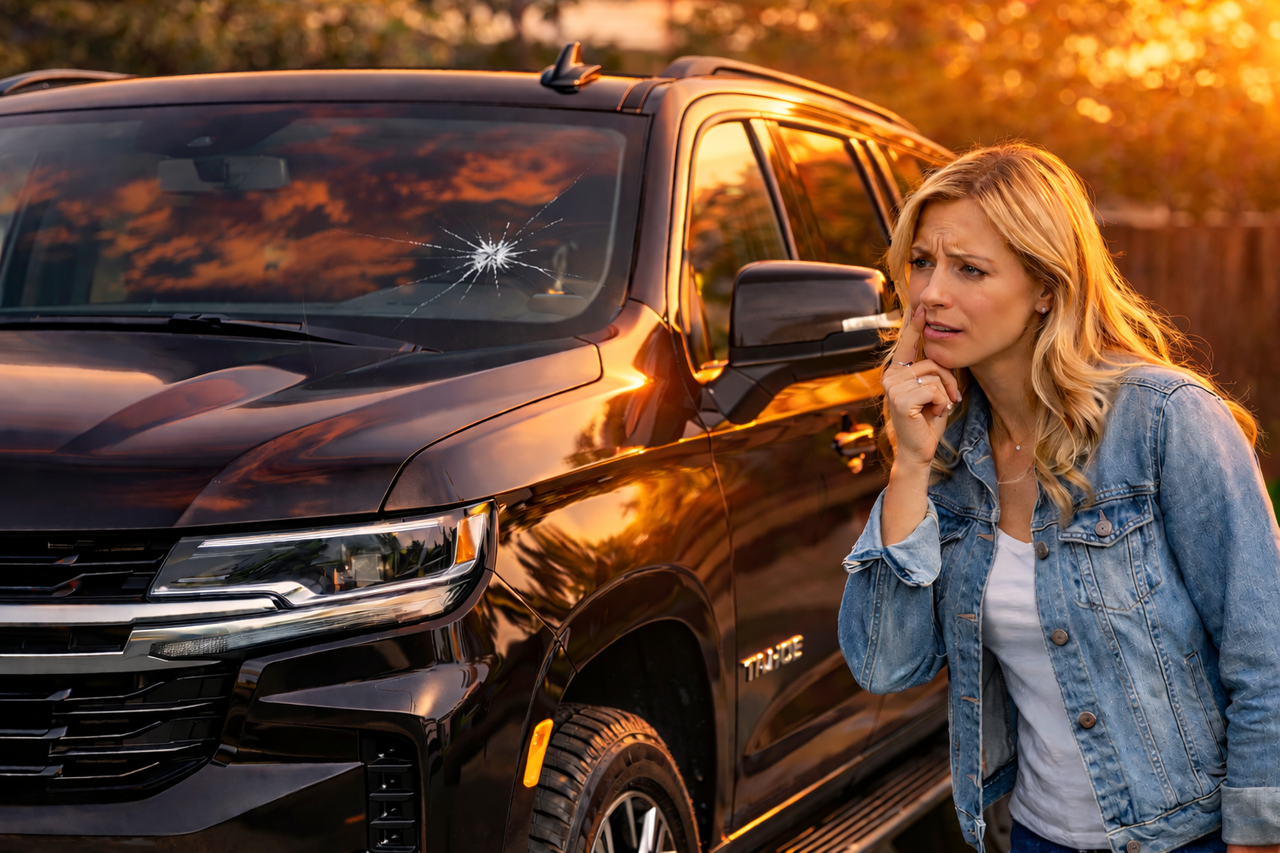
A small star break or bullseye away from the edge and outside the driver’s direct line often qualifies for repair rather than replacement. If a shop pushes hard for full replacement for a dime-sized chip, ask why. Repair saves your factory seal and usually keeps your insurance deductible at zero. On the other hand, a crack from the edge, anything longer than a credit card, or damage in the camera’s field should point toward sanford windshield replacement. The decision changes with Florida heat because small chips can grow quickly after a hot-cold cycle.
Long-term care habits that pay off
Once the first days are behind you, treat the glass like a structural component, because it is. Keep a pocket squeegee and soft cloth in the glove compartment. Clean bugs quickly, since acidic guts etch. Replace wiper blades every 6 to 12 months in Florida’s sun, more often if you park outside. Avoid hanging heavy tags or gadgets from the mirror that bounce and fatigue the glass mounting points over time. If you plan to add a dash cam behind the glass, clean the area thoroughly and choose a small mount that doesn’t pry at the frit band.
Tiny pings will happen. Rock chip repair sanford services can usually meet you the same day. Early repair takes 20 to 30 minutes and preserves the glass strength. Waiting turns a $100 fix into a $300 to $600 replacement, sometimes more if your vehicle uses heads-up display or rain sensor glass.
Quick reference: the first 48 hours
- Drive gently, avoid slamming doors, and crack a window slightly to reduce cabin pressure.
- Leave retention tape on for at least 24 hours, and skip car washes for 48 hours.
- Moderate climate control, no high-pressure water at the edges, and avoid leaning on the glass.
- Hold off on window cycling for side glass if advised, and be cautious with frameless doors.
- Watch for wind noise, leaks, or warning lights, and call the shop promptly if anything feels off.
If you’re scheduling service in Sanford
Look for a shop that uses OE or high-quality OEM-equivalent glass, urethane with known safe drive-away times, and documented ADAS calibration gear. Ask about training and rust treatment. If you need flexible scheduling, mobile auto glass sanford technicians can come to your home or office. For complex vehicles or persistent wind noise histories, a controlled shop bay is worth the trip. Whether it’s sanford auto glass repair, a full sanford windshield replacement, or a straightforward sanford windshield repair for a fresh chip, plan for those first couple of days and you’ll extend the life of the work.
The best compliment to a good install is silence. No whistles, no drips, no drama. With a little patience and a few simple habits, your new glass will feel invisible, which is exactly what you want.
Leave a Reply